Selling a Shopify store is a whole new experience because you feel like you are selling both numbers and a part of yourself.
You wish for a buyer who sees the value. And at the same time, you want to set a price that feels fair.
However, most sellers tend to walk into the process with blind spots that lower trust in the eyes of buyers and kill deals fast.
In this article, we’ll walk you through less obvious mistakes that many e-commerce store owners make, based on how buyers think, not how sellers think.
Our goal here is to help you avoid traps that could quietly cut your sale price, even if you have a profitable business.
Let’s get into the details right away…
1. Poor or Missing Financial Records

One of the biggest mistakes you can make as you prepare to sell your e-commerce business is not having clear, well-organized financial documents.
Buyers want proof, not just broad claims.
At Trend Hijacking, we have witnessed many e-commerce acquisition deals fail because the seller cannot back up their revenue or profit claims.
If you mix personal and business expenses, or you have inconsistent monthly financial statements, a buyer will likely treat your numbers as unreliable or adjust them downward.
And this directly affects your online store’s valuation.
Action Step: To avoid this mistake, we advise you to gather at least 2 to 3 years of your online business's profit and loss statements, track expenses properly, separate personal vs business costs, and reconcile with your Shopify analytics data.
If needed, hire an accountant to prepare a clean financial report.

Sell Your E-Commerce Business Fast
At TrendHijacking, we help you connect with serious investors who are ready to buy e-commerce businesses like yours.
We check all the numbers and present your business in the best light. Our pre-vetted buyers skip the “is this real?” stage, so you can get a better price and close faster.
Submit your business details today and make selling simpler, faster, and more profitable.
2. Overvaluing (or Undervaluing) the Store

Many e-commerce store owners base their sale price on what they feel the store is worth.
This is often so because they love their businesses and overestimate their value.
But buyers look at net profit, recurring revenue (not just one-time spikes), customer retention, traffic quality and diversity, and operational stability.
If you set an unrealistic price for your Shopify store, your listing may sit for months.
And if you underestimate, you might leave money on the table.
Action step: Consider using current market data and recent comparable sales of similar stores (size, niche, financials, etc.) to help you set a fair value for your store.
Consider using an e-commerce business broker or valuation expert. Price based on profit, not hopes.
3. Founder/Owner Dependence
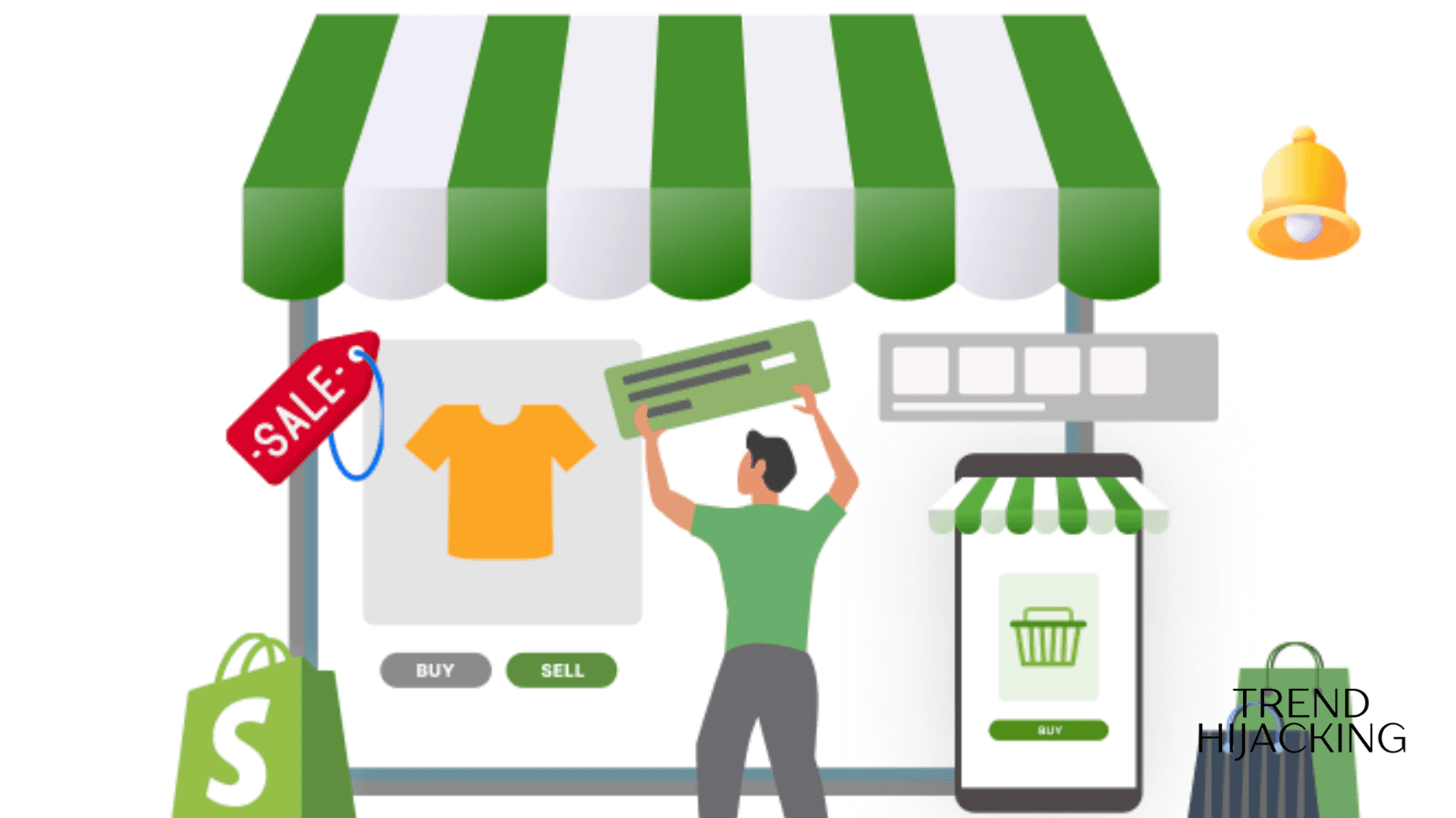
A Shopify store that only works because you (the owner) handle everything is HARD to sell.
Why?
Many buyers avoid businesses where operations, marketing, fulfillment, or customer service depend heavily on the owner.
If removing yourself causes revenue to drop sharply or orders to back up, a buyer may treat the business as a risky job rather than a ready-to-run business.
This often lowers your online shop’s valuation significantly.
Action step: You can avoid this mistake by documenting your processes. Come up with standard operating procedures (SOPs) for fulfillment, customer support, marketing, and reporting.
Also, delegate or automate as much as possible before listing your store.
4. Relying On A Single Revenue or Traffic Source

Does your Shopify store depend on a single product, one ad campaign, one supplier, or one traffic source (for example, one social ad account)?
If yes, you are exposing the buyer to risk.
Many buyers will discount the value because of this single fact.
They prefer stores with diversified income; repeat customers, multiple products, diverse traffic (organic, paid, email), and multiple suppliers.
That lowers the risk of the investment.
Action step: We suggest trying to widen your traffic and income streams before you list your Shopify store for sale.
For example, you’d want to build email lists, improve SEO, add more products or upsells, and consider multiple suppliers if you’re into dropshipping.
5. Poor Store Presentation and User Experience
Buyers don’t just buy numbers….they buy a store that looks professional, loads fast, and works well on mobile.
If your store’s design is out, slow, cluttered, or hard to navigate, that quickly reduces its appeal to the buyers.
What’s more, outdated product listings, low-quality images, unclear policies, or missing documentation for assets (like supplier contracts or IP) can scare the buyers.
Action step: Consider cleaning up its design before selling your e-commerce store. Update the images and descriptions. Test the site on mobile. Remove dead products.
Make sure inventory, supplier contracts, customer lists, and any intellectual property rights (branding, images, and trademarks) are clearly documented and transferable.
Sell Your E-Commerce Business Fast
At TrendHijacking, we help you connect with serious investors who are ready to buy e-commerce businesses like yours.
We check all the numbers and present your business in the best light. Our pre-vetted buyers skip the “is this real?” stage, so you can get a better price and close faster.
Submit your business details today and make selling simpler, faster, and more profitable.
6. Bad Timing (Selling At The Wrong Moment)

Timing matters when it comes to selling your Shopify business.
Attempting to sell when store performance is dropping, or right after a seasonal boom, can hurt its overall value.
Always keep in mind that buyers prefer stable or upward trends.
Also, many store owners only think about selling when they desperately need cash.
This desperation usually leads to lower offers.
Recent data from ICSC shows that 70%–80% of small businesses listed never sell.
And this could be attributed to bad timing.
Action step: Start thinking about exit 1–3 years before you plan to sell. Monitor trends. And try to sell during stable or growing performance periods.
Related: When is The Right Time To Sell Your E-commerce Store?
7. Overlooking Key Documentation and Legal Issues

Some e-commerce business owners forget to collect or prepare important documents before listing their businesses.
These documents include supplier agreements, customer data lists, trademarks or copyrights, or contracts relevant to the brand.
This creates uncertainty for the buyer.
Any unresolved legal issues could derail the sale. Buyers want clarity and complete ownership, and you should give them that.
Action step: Prepare all the legal documents related to your Shopify store. Collect supplier/vendor contracts, proof of rights over images or branding, customer lists, or email opt-in records. Make sure everything is transferable.
Final Thoughts
Selling a Shopify store can be a big win, but only if you avoid common errors that kill value. For a smooth selling experience, get your books in order, document your operations, diversify your store’s income and workflow, clean up the store design, and gather all necessary legal and operational paperwork before you list. These actions will increase your odds of a smooth sale and maximize what you walk away with.
Sell Your Shopify Store with Trend Hijacking:
Thinking about handing off your e-commerce business? If you want expert guidance and serious buyers who actually follow through, we can help. Simply tell us a bit about your business so we can point you in the right direction. Your details stay private, and we'll get back to you within 48 hours with the next steps.




A Done-For-You E-commerce Business
Discover how we Build, Launch, and Scale a 6-figure/month Business for You
Learn more
The 6-Step Blueprint to E-Commerce Acquisition
See how we Acquire, Convert, and Scale with Real Case Studies to Prove It.
You May Also Like


Join investors, Entreprenuers and Professionals like you building wealth through Ecommerce acquisitions, with the experts managing every step.
Start with our 14-day Free Business Acquisition Launch, where we show you exactly how we operate and give you a curated list of businesses tailored to your budget, goals, and lifestyle.