The digital acquisition space has undergone massive transformations. Gone are the days of "buying a job"; today’s investors are looking for scalable assets that offer a specific balance of risk, involvement, and cash flow. If you are standing at the crossroads of buying Software as a Service (SaaS) company or an E-commerce store, you are simply choosing between two fundamentally different economic engines.
Today, the decision isn't just about which one is "better”, but which one matches your expertise and your desired lifestyle. As business acquisition experts, we’ve analyzed the data: SaaS multiples have stabilized at 3x–7x ARR (Annual Recurring Revenue), while E-commerce remains the king of rapid cash-on-cash returns.
This guide will dig deeper into the two business models to help you decide which acquisition is right for you.
E-commerce Vs SaaS: How They Generate Revenue
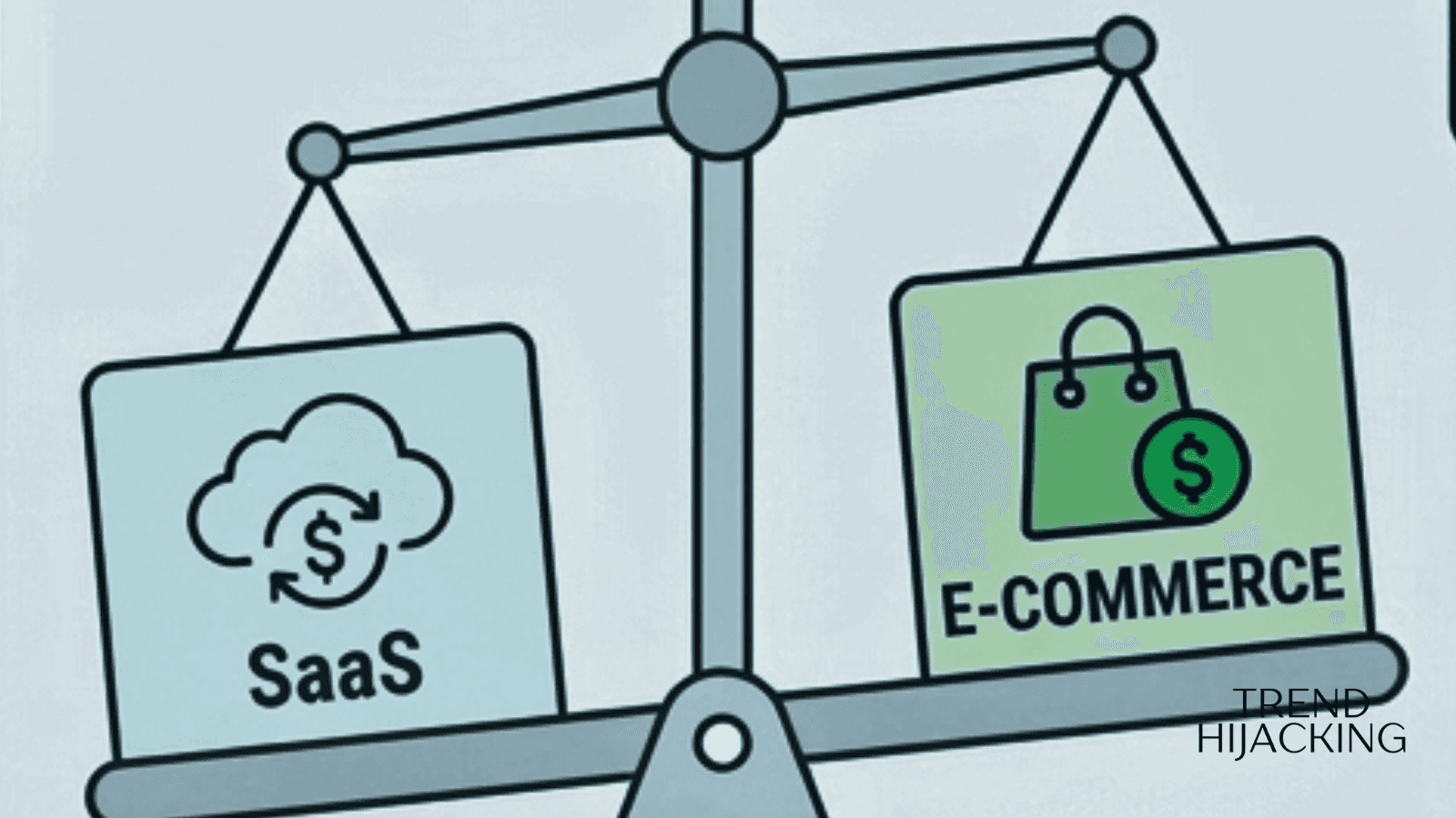
The most significant difference between these two assets is how they generate a dollar.
Let’s start with a SaaS business. This type of online business is built on Recurring Revenue, which simply means when you buy a SaaS company, you are buying a "subscription engine."
The biggest advantage of such a business model is that revenue is predictable. You start every month knowing exactly how much money is likely to hit the bank based on your Monthly Recurring Revenue (MRR) and Churn Rate.
That said, it’s important to note that today the market has moved toward "Vertical SaaS," software built for specific niches (like HVAC contractors or boutique law firms). These businesses have lower churn because they are "mission-critical" to the user.
E-commerce businesses, on the other hand, operate as transactional business models. This simply means you sell a physical product, and the relationship often ends there unless you have a strong brand.
The advantage of this model of business is that it’s much easier to scale. If you find a winning product and pour $10,000 into ads, you can see $30,000 in sales by the weekend. But SaaS rarely grows that fast because it requires a longer "sales cycle" or "onboarding" process.
In recent times, e-commerce has become highly automated. With the rise of AI-driven supply chains and third-party logistics (3PL), the "physical" part of physical products has become much easier to manage than ever before.

Trend Hijacking helps you Reclaim Control over your Financial Destiny
Most successful professionals and investors like you never actually own real assets that cashflow at the pace you want.
You earn well.
You invest passively.
But you never truly control something scalable.
We've created a solution: a FREE guide that shows you exactly how investors are using acquisitions to outperform stocks and real estate, all without needing any experience.
Valuations and Multiples: What Will It Cost You?
Price is what you pay, but the multiple is what you negotiate; understanding the spread between SaaS and E-commerce valuations is the difference between an overpayment and a strategic entry.
The following table provides a technical breakdown of how SaaS and E-commerce assets are valued in today's market.
Feature | SaaS (Software) | E-commerce (Retail) |
Common Multiple | 3.5x to 6x Annual Revenue | 2.5x to 4x Annual Profit (SDE) |
Valuation Basis | Revenue (ARR)/Growth | Profit (SDE/EBITDA) |
Capital Required | Higher Upfront Cost | Lower Upfront/Higher Inventory |
Retention Focus | Churn & LTV | Repeat Purchase Rate |
The SaaS companies still command a premium because their margins are typically 70% to 90%. You aren't paying for "stuff"; you’re paying for code that can be sold to a million people at zero extra cost.
E-commerce businesses trade at lower multiples because they have "COGS" (Cost of Goods Sold). You have to buy the product before you sell it, which means your margins are usually 15% to 40%.
Digital Systems vs. Physical Logistics: What You’ll Actually Be Doing
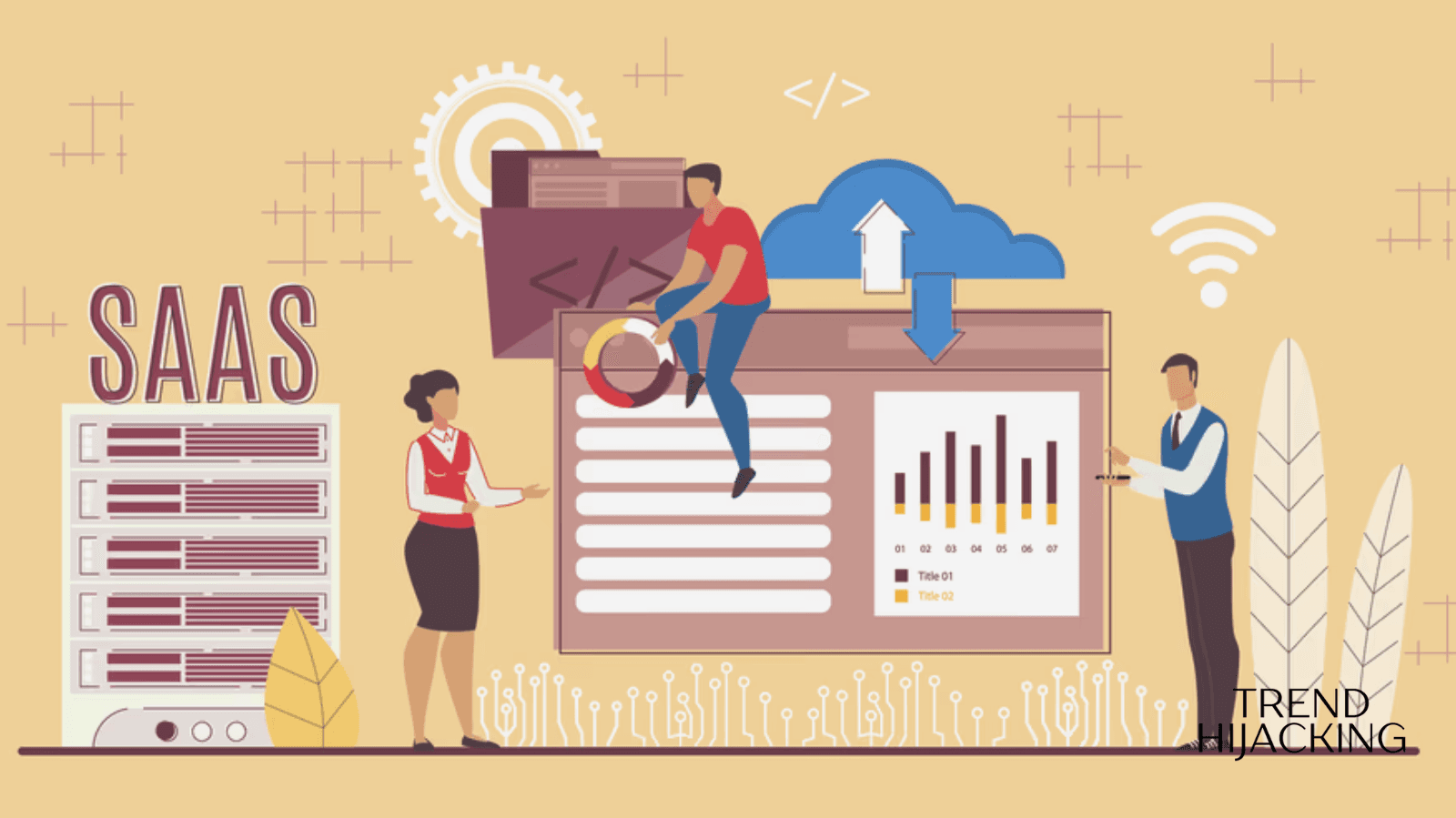
What does your typical Tuesday look like as the owner the owner of a SaaS company or an e-commerce business? Let’s find out….
Owning a SaaS:
When you buy a SaaS, your main concerns will be bugs, features, and churn. In this case, you’ll need to manage a developer (or be one).
You must also constantly innovate to prevent competitors from "feature-creeping" your customers away.
The biggest risk you’re likely to face as the owner of a SaaS company is technical debt. If the code is messy, a simple update could break your entire business.
Owning an E-commerce Store:
When you buy a Shopify store, your concerns will mainly revolve around inventory, shipping, and ad costs.
Here, you’ll need to manage your suppliers (and they’re often based in Asia or Europe).
You must also have to deal with physical returns and customer service regarding shipping delays.
And the biggest risk as an ecommerce brand owner? That’s supply chain disruption. If your factory closes or shipping costs double, your profit evaporates!
SaaS Vs E-commerce Acquisitions: Financing Options
Buying a business with no money down doesn’t mean the business is free. It means the money is coming from somewhere other than your personal bank account.
As acquisition experts, we look at this as moving the financial weight from you to the business itself. Here what it’s like to finance a SaaS and ecommerce business acquisition:
SaaS (Software): This is harder to do with zero cash. Banks usually want to see physical assets (like buildings or equipment) before they lend money. However, you can often strike a deal with the seller, where you pay them a portion of the profits every month until the business is paid off.
E-commerce: E-commerce businesses are the easiest way to acquire with "other people's money." Because the business has physical products (inventory) and clear daily sales, banks are much more willing to give you a loan. You use the business's own value to get the cash you need to buy it. You may want to check our guide on how to finance and legally acquire an ecommerce business.
IMPORTANT: Using financing to buy a business is like using a power tool. It gets the job done much faster, but if you don't know how to handle it, you can get hurt. You must make sure the business you acquire makes enough profit to pay for its own loan.
So, Which One Should You Buy?
At this stage, you’ve got a general idea on what it is like to choose between a SaaS and e-commerce business: you are simply choosing between the long-term stability of recurring code and the high-velocity cash flow of physical products.
Deciding which one to buy comes down to a single question: do you want to build a compounding fortress or a scalable sales machine?
Buy a SaaS Business If:
You have a technical background or experience managing developers.
You value "location independence" and want a business with zero physical touchpoints.
You prefer slow, steady, and predictable growth over "viral" spikes.
You have more capital to invest upfront for a higher-quality, lower-maintenance asset.
Buy an E-commerce Business If:
You are a marketing wizard who understands Facebook, TikTok, or Google Ads.
You want to see an immediate ROI on every dollar spent.
You enjoy the "brand building" aspect—packaging, influencers, and product development.
You want to use leverage (debt) to acquire a larger asset with less of your own cash.
Trend Hijacking helps you Reclaim Control over your Financial Destiny
Most successful professionals and investors like you never actually own real assets that cashflow at the pace you want.
You earn well.
You invest passively.
But you never truly control something scalable.
We've created a solution: a FREE guide that shows you exactly how investors are using acquisitions to outperform stocks and real estate, all without needing any experience.
Expert Tip: Minimizing Acquisition Risk…

The truth is, both e-commerce and SaaS business models are plagued by scammers. SaaS sellers often hide "churn" by offering lifetime deals right before selling, and E-commerce sellers fake revenue with bot traffic.
Whether you choose the recurring revenue of SaaS or the high-velocity growth of e-commerce, you shouldn't go in alone. This is especially true if this is your first business acquisition.
Most first-time buyers fail because they don't know how to audit the "hidden" metrics; the technical debt in the code or the "toxic" ad accounts in the Shopify backend.
How Trend Hijacking Can Help You…
If you are looking for a verified, high-performance asset, our Smart Acquisition Program is designed to help you eliminate the risk of buying the wrong business. We look beyond screenshots; we perform deep-tissue due diligence on every business to ensure you’re putting your money in a safe environment.
We will help yo:
1. Identify the right model based on your goals (SaaS vs. E-com).
2. Audit the fundamentals to ensure you aren't buying a "leaky bucket."
3. Structure the deal to maximize your leverage and minimize your risk.
Final Thought
So, between e-commerce and SaaS business, which one should you acquire? The best business to buy is the one where you have unfair advantage. If you love the product, buy the store. If you love the process, buy the software. Just make sure the business works before you sign the check.
BEFORE you decide which model fits your lifestyle, it’s vital to see if you have the "deal-making" profile required for a successful takeover. Take our Investment Readiness Quiz today to get a professional evaluation of your acquisition strategy, then check the Smart Acquisition Program to see how we can help you actualize your acquisition dreams.


A Done-For-You E-commerce Business
Discover how we Build, Launch, and Scale a 6-figure/month Business for You
Learn more
The 6-Step Blueprint to E-Commerce Acquisition
See how we Acquire, Convert, and Scale with Real Case Studies to Prove It.
You May Also Like


Join investors, Entreprenuers and Professionals like you building wealth through Ecommerce acquisitions, with the experts managing every step.
Start with our 14-day Free Business Acquisition Launch, where we show you exactly how we operate and give you a curated list of businesses tailored to your budget, goals, and lifestyle.