If you had $250,000 in cash and wanted to escape corporate life, what business would you buy?
That exact question has been brought up countless times by the folks looking for alternative investment options or to expand their streams of income. Unfortunately, the discussions we’ve come across never seem to produce any helpful insights for anyone considering buying an existing business instead of starting from scratch.
If you're serious about acquisition entrepreneurship, this guide breaks down the smartest way to approach a $250K investment, what industries to consider, and the biggest mistakes to avoid.
Why Cash Flow Matters More Than Cool Businesses

Let’s create this scenario: Imagine having $250,000 in cash and a background in corporate finance. You’re ready to leave your corporate job behind, and instead of starting from scratch, you want to buy a business that’s already making money. Your goal is simple on paper: acquire a business generating strong cash flow and grow it over time.
With $250K in hand, you're considering leveraging financing, like an SBA loan, to buy a business valued somewhere between $1.5 million and $2 million.
At first glance, this sounds like a great plan! You’ve got enough cash to make a down payment and finance the rest, stepping into a business that’s already running.
But things tend to play out differently in reality. Closing costs, working capital, and operational demands can quickly eat into your cushion. This makes it important for you to carefully evaluate not just the numbers on paper, but also how much time, effort, and risk you’re truly taking on.
These are the exact crucial steps you should follow:
Step 1: Understand Your True Buying Power
Talking from our 7+ years of experience guiding acquisition entrepreneurs, many aspiring buyers will always overestimate what $250K can actually acquire.
Here’s what most buyers often overlook:
Closing costs
Working capital requirements
Inventory purchases
Equipment maintenance
Unexpected cash flow dips
Debt service coverage ratios required by lenders
In practical terms, $250K down does not always mean you can comfortably buy a $2M business. The deal structure, cash flow, and loan terms matter more than headline valuation.
If you acquire a business that produces $400K in seller’s discretionary earnings but requires heavy reinvestment, the numbers can get tight pretty fast.
Step 2: Focus on Cash Flow, Not “Cool”
One of the biggest mistakes buyers make is chasing businesses that sound attractive instead of ones that fit their skills and style.
That’s where most buyers fail.
Sure, car washes and laundromats seem appealing because they look like “set it and forget it” investments, but reality is often different.
The key is to focus on cash flow and sustainability, not just hype. Pick a business that aligns with your strengths, experience, and patience. Otherwise, even a profitable business can become a daily headache.
Car washes and laundromats are popular because they appear passive. But are they actually?
In the next section, we examine some of the top cash flow businesses to consider investing in

Trend Hijacking helps you Reclaim Control over your Financial Destiny
Most successful professionals and investors like you never actually own real assets that cashflow at the pace you want.
You earn well.
You invest passively.
But you never truly control something scalable.
We've created a solution: a FREE guide that shows you exactly how investors are using acquisitions to outperform stocks and real estate, all without needing any experience.
Top Profitable Business Ideas To Consider
So, what kinds of businesses are worth considering for $250K if you want solid cash flow and growth potential? Here’s our recommended list:
1. Car Washes

Car washes are a classic choice for entrepreneurs and are often marketed as semi-passive investments. They sound appealing to business buyers because they think they run themselves, and if you can get a subscription or membership model going, the cash flow can be steady. The reality? Equipment needs constant attention, the weather can hurt sales, and competition is always tougher than it looks.
Pros:
Recurring local demand
Subscription membership models
Real estate appreciation potential
Cons:
High capital expenditure
Equipment maintenance
Weather sensitivity
Heavy local competition
If you’re buying a car wash business, you need to take your time to understand location economics deeply.
2. Laundromats
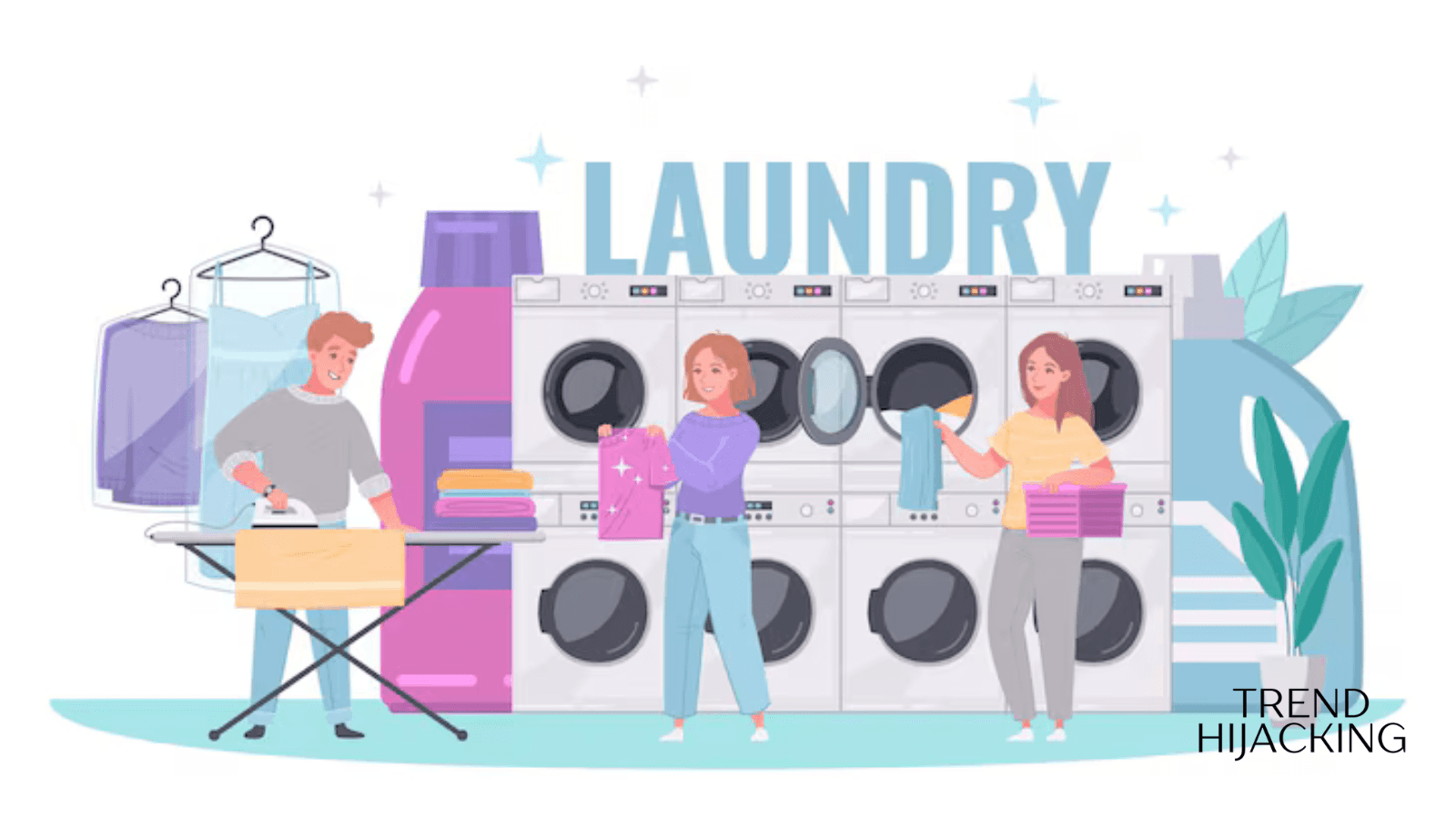
Laundromats are another “boring but steady” option to consider. People always need clean clothes, and a well-located laundromat can bring in predictable cash. But rising utility costs and old machines can quietly eat into profits.
Pros:
Essential service
Cash flow consistency in the right neighborhoods
Relatively simple operations
Cons:
Increasing competition
Rising utility costs
Equipment replacement cycles
This type of business can work well, but the margins are often thinner than advertised.
3. Self-Storage Facilities
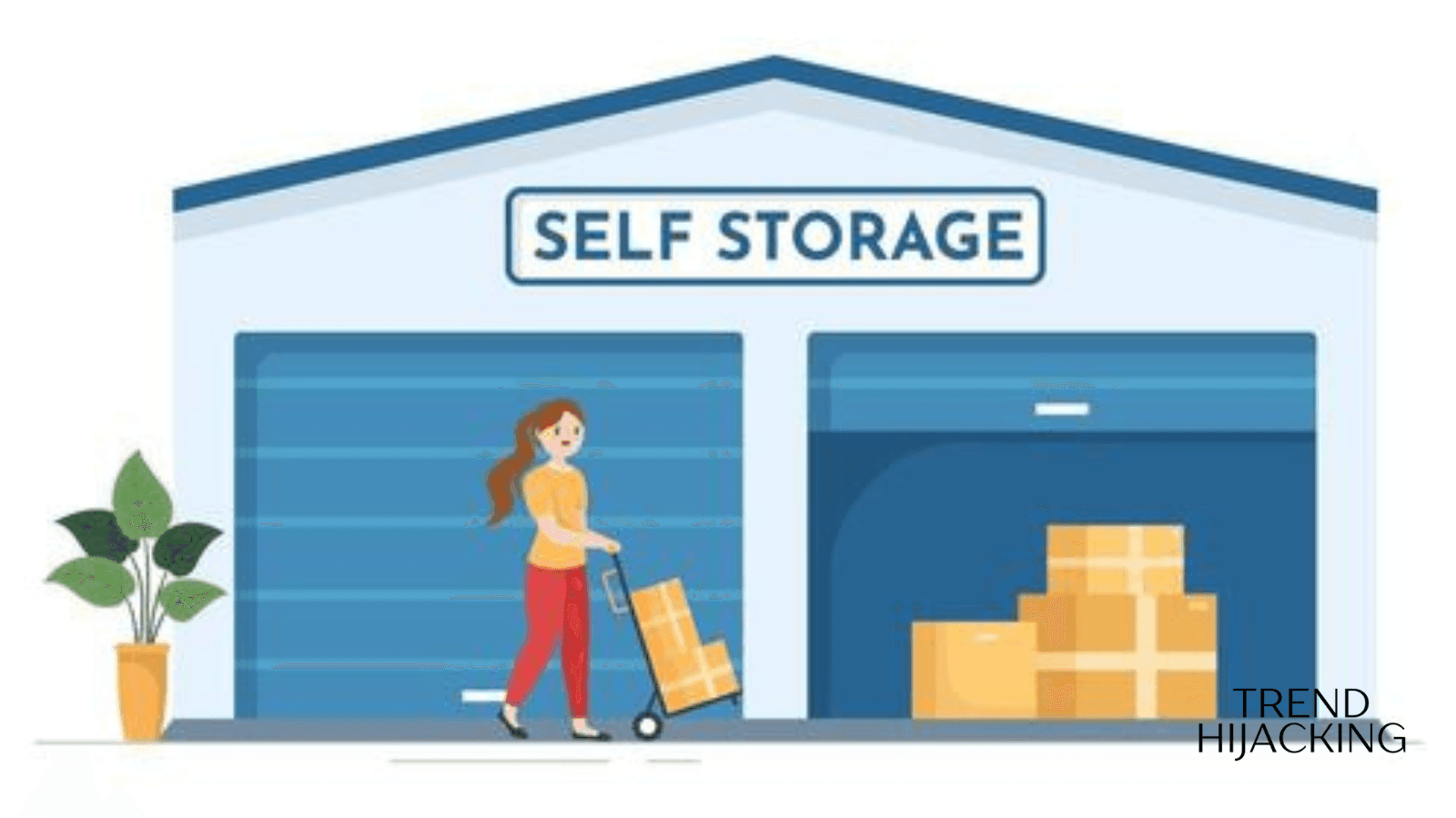
Self-storage was repeatedly suggested as a strong acquisition target. Then there are self-storage units, which are surprisingly low-maintenance. Once they’re set up, you mostly collect monthly rent and handle occasional customer service issues.
Pros:
Lower staffing requirements
Recurring monthly revenue
Strong demand in growing markets
Tech automation options
Recession-proof asset
Cons:
Market oversaturation/location risk
Requires high-quality security systems, which are costly
Management intensity
This is one of the most scalable physical asset classes when properly managed.
Trend Hijacking helps you Reclaim Control over your Financial Destiny
Most successful professionals and investors like you never actually own real assets that cashflow at the pace you want.
You earn well.
You invest passively.
But you never truly control something scalable.
We've created a solution: a FREE guide that shows you exactly how investors are using acquisitions to outperform stocks and real estate, all without needing any experience.
4. Home Services Businesses (Plumbing, HVAC, Pressure Washing, Mobile Detailing)

This category may be the most underrated acquisition opportunity under $2M. Home service businesses like plumbing, HVAC, or pressure washing are hidden gems. They’re in high demand, often repeat business, and scale well if you add crews or expand territories.
Pros:
High demand
Fragmented markets
Repeat customers
Expansion through additional crews
Cons:
Owner dependency
Finding skilled technicians can be challenging
Outdated technology or worn-out equipment may require significant investment
These businesses can often be systematized and scaled faster than fixed real estate assets.
5. Delivery and Route Businesses
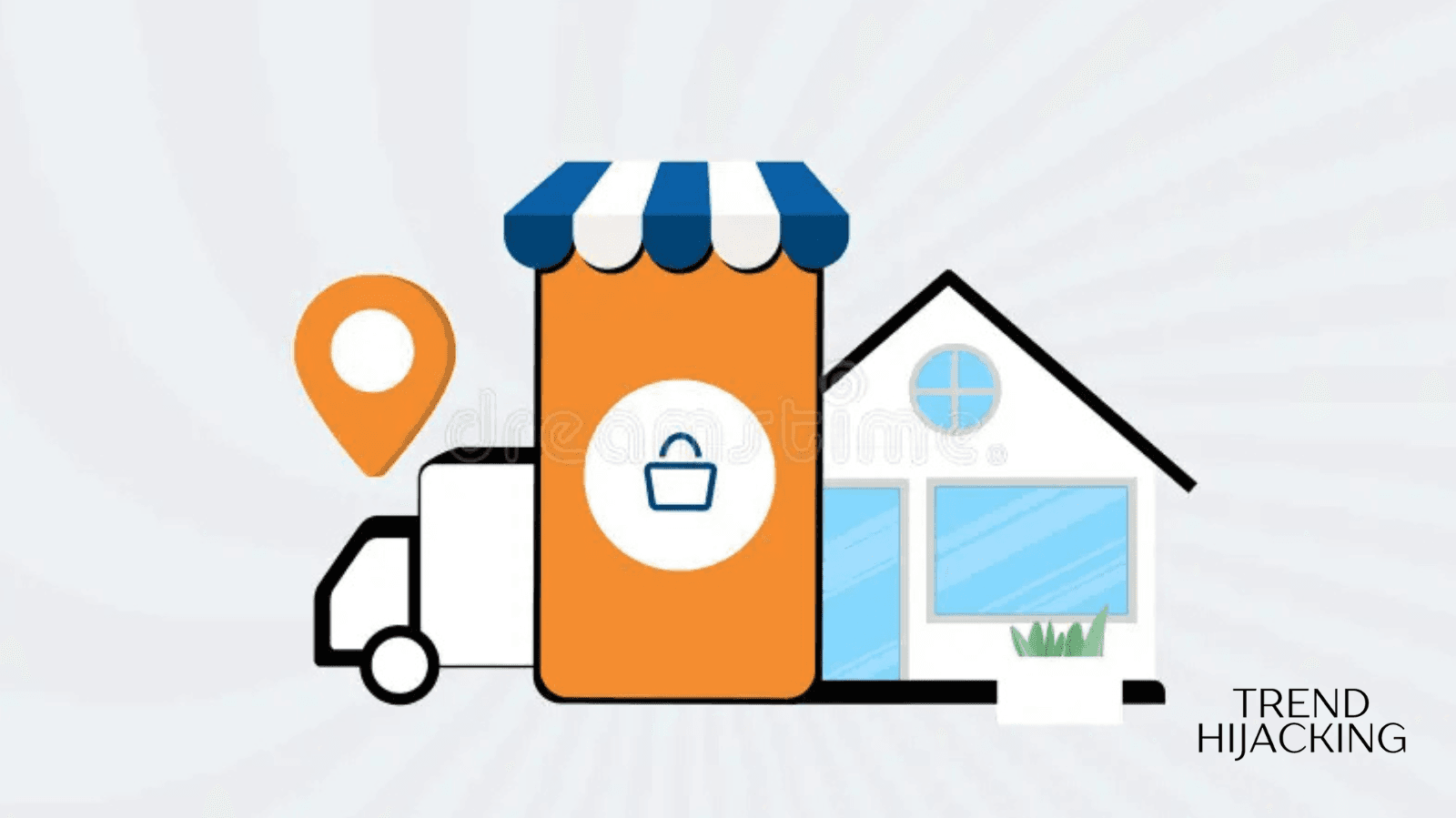
Buying a delivery route tied to a company like FedEx or UPS can give you steady, predictable income. You inherit customers and a proven system, but you’ll still manage drivers, schedules, and logistics. Scaling usually means buying more routes.
Pros:
Established contract revenue
Clear operational model
Cons:
Labor-intensive
Dependent on corporate contracts
Margin pressure
Keep in mind that these are more of operational plays and not passive investments.
6. Buying Online Businesses
Another highly recommended profitable investment is acquiring digital businesses (often referred to as digital assets) via platforms like Empire Flippers or Flippa. Online businesses like e-commerce stores or affiliate sites can reach a global audience and have high margins. They’re flexible and scalable, but revenue can fluctuate with traffic changes, platform rules, or market trends.
Pros:
No physical overhead
Global reach
High margin potential
Cons:
Traffic dependency
Platform risk
Revenue volatility
Digital acquisitions can produce excellent returns but require strong due diligence and online growth expertise.
Due Diligence Tips for Buying A Business

If you want to buy a business, we strongly advise you to focus on the following crucial aspects:
1. Recurring Revenue: Think in terms of memberships, subscriptions, and maintenance contracts. Predictability can help greatly reduce your investment risk.
2. Simple Operations: If the business requires heroic daily effort, it will be hard to scale.
3. Clear Expansion Levers: You need to ask yourself whether you can:
Add more crews?
Raise prices?
Increase marketing?
Expand geographically?
If growth seems unclear, you’re buying a job.
4. Seller Motivation: Great deals are often found through relationships and networking, not just marketplaces.
Should You Even Buy A Business? Key Questions To Ask:

Buying a business isn’t a “set it and forget it” deal. You’re stepping into existing employee dynamics, supplier relationships, local competition, and hidden operational challenges. That’s why due diligence isn’t optional; it’s everything.
Before you buy, make sure to review at least three years of financials, tax returns, customer concentration, lease agreements, equipment maintenance records, etc. And don’t just take the seller’s word for it—verify the numbers independently. A thorough check now can save you from costly surprises later.
Final Takeaway: Make Your Business Acquisition Work
When buying a business, don’t chase flashy or trendy. Instead, look for stability, repeatable systems, and predictable cash flow. The smartest acquisitions are those you understand and can realistically grow. Focus on industries with recurring revenue, simple operations, and clear ways to scale. Make sure the financials make sense, working capital is sufficient, and you can handle day-to-day management. The idea isn’t just buying a business, but buying one that lets you build long-term value, avoid burnout, and turn your investment into a sustainable, profitable venture.
Ready to buy an online business? We help you acquire a high-upside e-commerce brand within 30 days, handle deep due diligence, structure the deal in your favor, and build the systems you need to scale. You keep 100% ownership. We focus on protecting your downside and positioning you for growth from day one. See how our Smart Acquisition process works.




A Done-For-You E-commerce Business
Discover how we Build, Launch, and Scale a 6-figure/month Business for You
Learn more
The 6-Step Blueprint to E-Commerce Acquisition
See how we Acquire, Convert, and Scale with Real Case Studies to Prove It.
You May Also Like


Join investors, Entreprenuers and Professionals like you building wealth through Ecommerce acquisitions, with the experts managing every step.
Start with our 14-day Free Business Acquisition Launch, where we show you exactly how we operate and give you a curated list of businesses tailored to your budget, goals, and lifestyle.