If you are looking at a business for sale and feeling confused about revenue vs cash flow, you are not alone. We see this every week at TrendHijacking.
Over the past 7 years advising acquisition entrepreneurs, we always see buyers get excited about revenue and completely ignore cash flow.
We always try to explain this to them: Revenue is the amount of money that a business earns while cashflow indicates the amount of money getting in and out of the business. Revenue indicates demand while cash flow shows whether the business can survive and pay you as the owner.
A business can show $10 million in annual sales and still struggle to pay staff if cash is not managed properly.
In fact, about 82% of small business failures happen because of cash flow problems and not due to lack of sales, according to the 2023 PNC Bank study.
For an investor, this difference can translate to profit or disaster.
In this article, we'll break down these two terms to help you analyze a business' financials like a pro and make a more informed decision.
What Does Revenue Mean When Buying A Business?
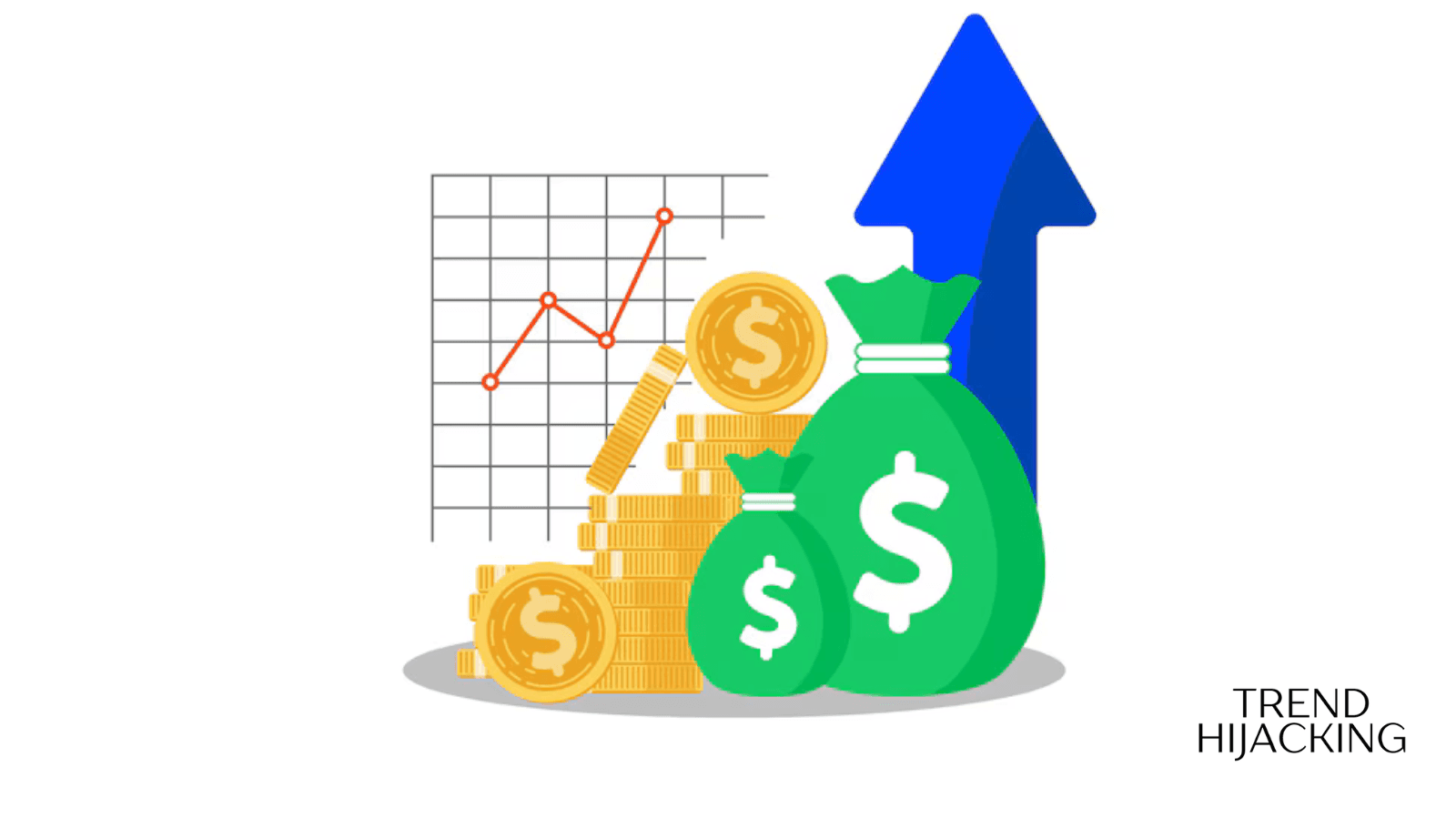
Revenue represents the total income generated from goods sold or services rendered before expenses are deducted. It sits proudly at the top of the income statement. Investors often call it the “top line.”
Large revenue figures can be quite appealing to an acquisition entrepreneur. A company generating $5 million annually appears robust and market tested.
Yet revenue is just a gross measure. It does not account for operating costs, debt obligations, payroll burdens, or tax liabilities. Nor does it reveal when payments are received. Revenue simply measures performance in theory, but it does not measure liquidity in practice.

Looking to Acquire an E-Commerce Business?
Finding the right business takes more than browsing listings. You need an opportunity that fits your budget, aligns with your objectives and has genuine potential to grow.
Trend Hijacking helps entrepreneurs, investors, and strategic buyers source e-commerce businesses, access off-market opportunities, conduct due diligence, negotiate deals, and navigate the acquisition process from start to finish.
Tell us what you're looking to acquire, and let's find the right opportunity for you.
What Does Cash Flow Mean When Buying A Business?
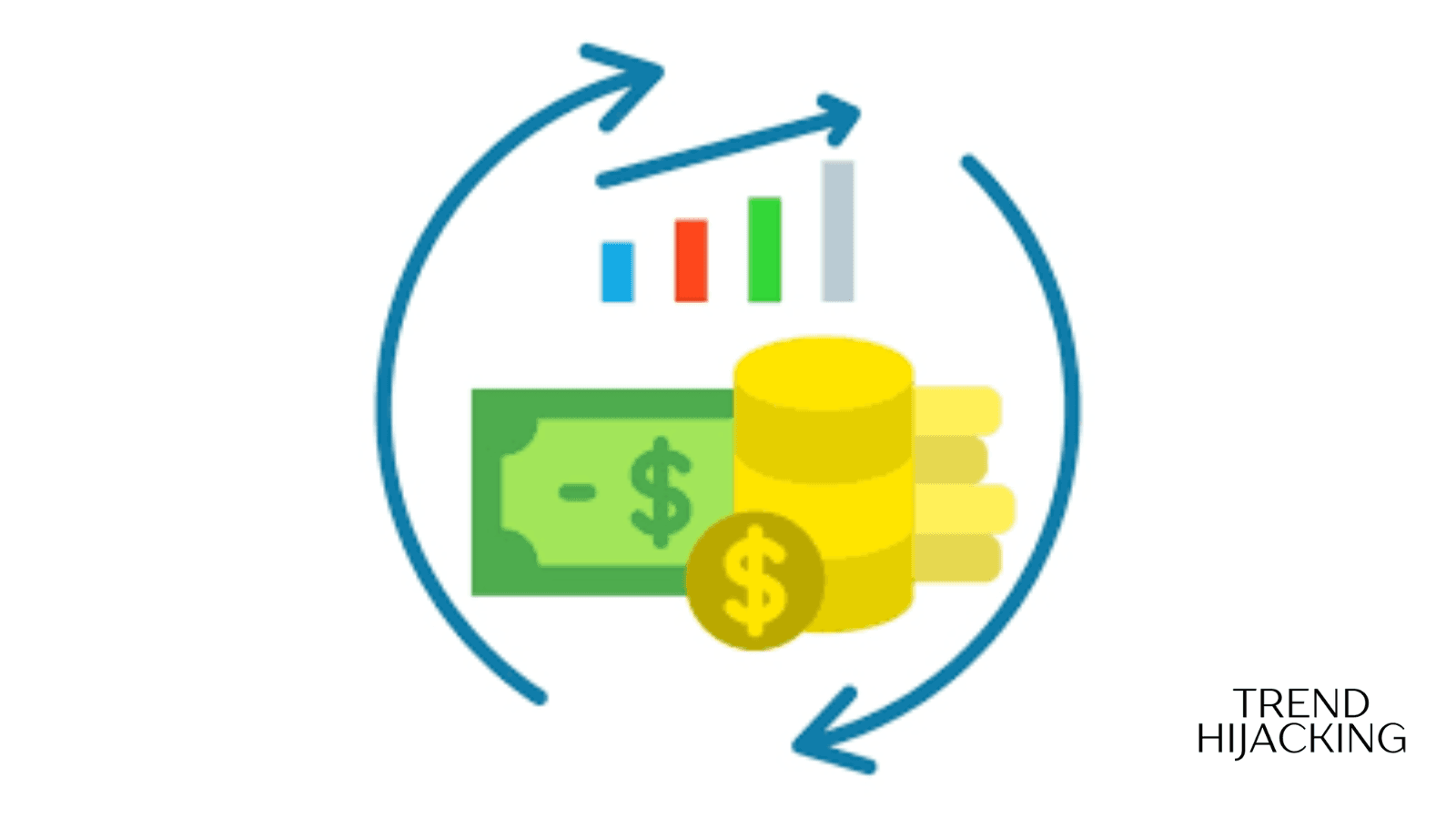
Cash flow shows the actual movement of money into and out of the business. It captures liquidity and shows whether the company can pay its suppliers, employees, lenders, and owners.
Positive cash flow means more cash is entering the business than leaving it during a given period. Negative cash flow signals the opposite. That is where risk begins to accumulate.
Unlike revenue, cash flow exposes timing discrepancies. A company may record a sale today but receive payment sixty days later. Meanwhile, rent, utilities, and payroll demand immediate settlement.
Without sufficient cash reserves, even profitable companies collapse.
Cash flow is not glamorous like revenue figures. It’s a practical metric and is what keeps the lights on in business.
Profit vs Cash Flow: What’s The Difference?

Many buyers also assume that profit and cash flow are interchangeable. Well, they are not.
Profit is an accounting construct that deducts expenses from revenue using accrual principles. Cash flow tracks actual cash movement.
As such, these two metrics can diverge significantly.
Consider depreciation. It reduces profit but does not involve a cash outflow. Conversely, loan principal repayments reduce cash but do not appear as expenses on the income statement.
A business can show impressive net income while struggling to meet payroll.
Another may report modest profit but generate substantial free cash flow due to efficient working capital management.
How Revenue Can Mislead Buyers

High revenue often masks structural inefficiencies of a business. We have this firsthand in our ecommerce acquisition deals.
You find an e-commerce business generating $10 million in sales but operates on razor-thin margins. If operating expenses consume 97% of revenue, the residual buffer becomes dangerously small.
Revenue can also be inflated by aggressive discounting. Deep price reductions increase sales volume while eroding profitability. From the outside, growth appears exponential. Internally, margins deteriorate.
Additionally, revenue does not account for customer concentration risk. If 60% of sales originate from a single client, the revenue figure becomes precarious. One contract termination could devastate the business overnight.
Revenue tells you how much is sold but it never shows you how much you’ll keep in a business.
Why Cash Flow Determines The Valuation Of A Business

Professional buyers and private equity firms focus intensely on cash flow. Most valuation models, including discounted cash flow analysis, are anchored in projected future cash generation.
Cash flow determines:
Debt service capacity
Reinvestment potential
Dividend distributions
Emergency resilience
Cashflow is simply the bloodline of a business: Lenders care about cash flow. Investors care about cash flow. Owners live on cash flow.
An e-commerce business generating $500,000 in reliable annual free cash flow is often more valuable than one producing $3 million in revenue with inconsistent liquidity.
Looking to Acquire an E-Commerce Business?
Finding the right business takes more than browsing listings. You need an opportunity that fits your budget, aligns with your objectives and has genuine potential to grow.
Trend Hijacking helps entrepreneurs, investors, and strategic buyers source e-commerce businesses, access off-market opportunities, conduct due diligence, negotiate deals, and navigate the acquisition process from start to finish.
Tell us what you're looking to acquire, and let's find the right opportunity for you.
Red Flags To Watch in Financial Statements

When you’re analyzing the financials of a business on sale, it’s important to pay attention to certain indicators as they could signal potential danger in the deal.
These include:
Rapid revenue growth accompanied by declining operating cash flow
Increasing accounts receivable relative to sales
Persistent negative free cash flow
Heavy reliance on short-term debt to fund operations
Large non-recurring revenue entries
A careful review of the statement of cash flows is non-negotiable. It helps you uncover the operational truth beyond any laid-out marketing narratives.
Due Diligence Tips for Buying A Business

If you’re serious buyer, you should conduct forensic-level due diligence before committing to a deal. And this should include the following crucial areas:
1. Examine three to five years of cash flow statements
2. Normalize the earnings by removing one-time expenses or income
3. Assess the business working capital requirements
4. Review the customer payment patterns
5. Stress-test cash flow under conservative revenue assumptions
Don’t hesitate to request bank statements, analyze seasonality, identify cyclicality, and understand capital expenditure requirements.
Your goal should not be to focus on verifying revenue but to validate business durability.
If you’re considering buying an online business and want a trusted partner by your side, our Smart Acquisition Program is built to support you.
We work with you to run thorough due diligence, digging into revenue, cash flow, and risks so you can decide whether to move on with a deal. After closing, we help you implement proven systems to grow and position the business for a strong 2 to 3x exit when the time is right.
If that kind of support sounds valuable, you can check out the program here.
Final Word
When buying a business, revenue measures activity while cash flow measures sustainability of the business. When acquiring a business, we advise you against purchasing impressive numbers on an income statement.
Rather, you should focus on acquiring a functioning business that reliably produces surplus cash.
Always analyze business financials past the top line and take your time to understand how money flows in the business. This can save you from investing in a business that fails and leaves you counting losses.




A Done-For-You E-commerce Business
Discover how we Build, Launch, and Scale a 6-figure/month Business for You
Learn more

The 6-Step Blueprint to E-Commerce Acquisition
See how we Acquire, Convert, and Scale with Real Case Studies to Prove It.
You May Also Like


Join investors, Entreprenuers and Professionals like you building wealth through Ecommerce acquisitions, with the experts managing every step.
Start with our 14-day Free Business Acquisition Launch, where we show you exactly how we operate and give you a curated list of businesses tailored to your budget, goals, and lifestyle.