How to buy a business with no money? That sounds unbelievable to many new buyers. Most of them assume you need deep pockets, wealthy relatives, or a lucky break to acquire an existing business. But in reality, many successful acquisitions are made with little to no of the buyer’s own capital.
The secret to a successful acquisition lies in structure, strategy, and skill. If you approach this casually, you will fail. But if you approach it like a disciplined dealmaker, you can create opportunities that others fail to see.
This guide walks you through how to buy a business with no money of your own, step by step.
First, Understand What “No Money” Actually Means
When people say “no money down,” they usually mean no personal cash invested upfront. It does not mean the deal requires no money at all. It means the money comes from somewhere other than your savings account.
That “somewhere” can be:
The seller
A bank or government-backed lender
Private investors
The business’s own future cash flow
Sometimes it can be a combination of all of the above options. The main skill here is structuring a deal where the acquisition pays for itself.
Let’s dive into the main steps of buying a business with no money…

Trend Hijacking helps you Reclaim Control over your Financial Destiny
Most successful professionals and investors like you never actually own real assets that cashflow at the pace you want.
You earn well.
You invest passively.
But you never truly control something scalable.
We've created a solution: a FREE guide that shows you exactly how investors are using acquisitions to outperform stocks and real estate, all without needing any experience.
Step 1: Target the Right Type of Business
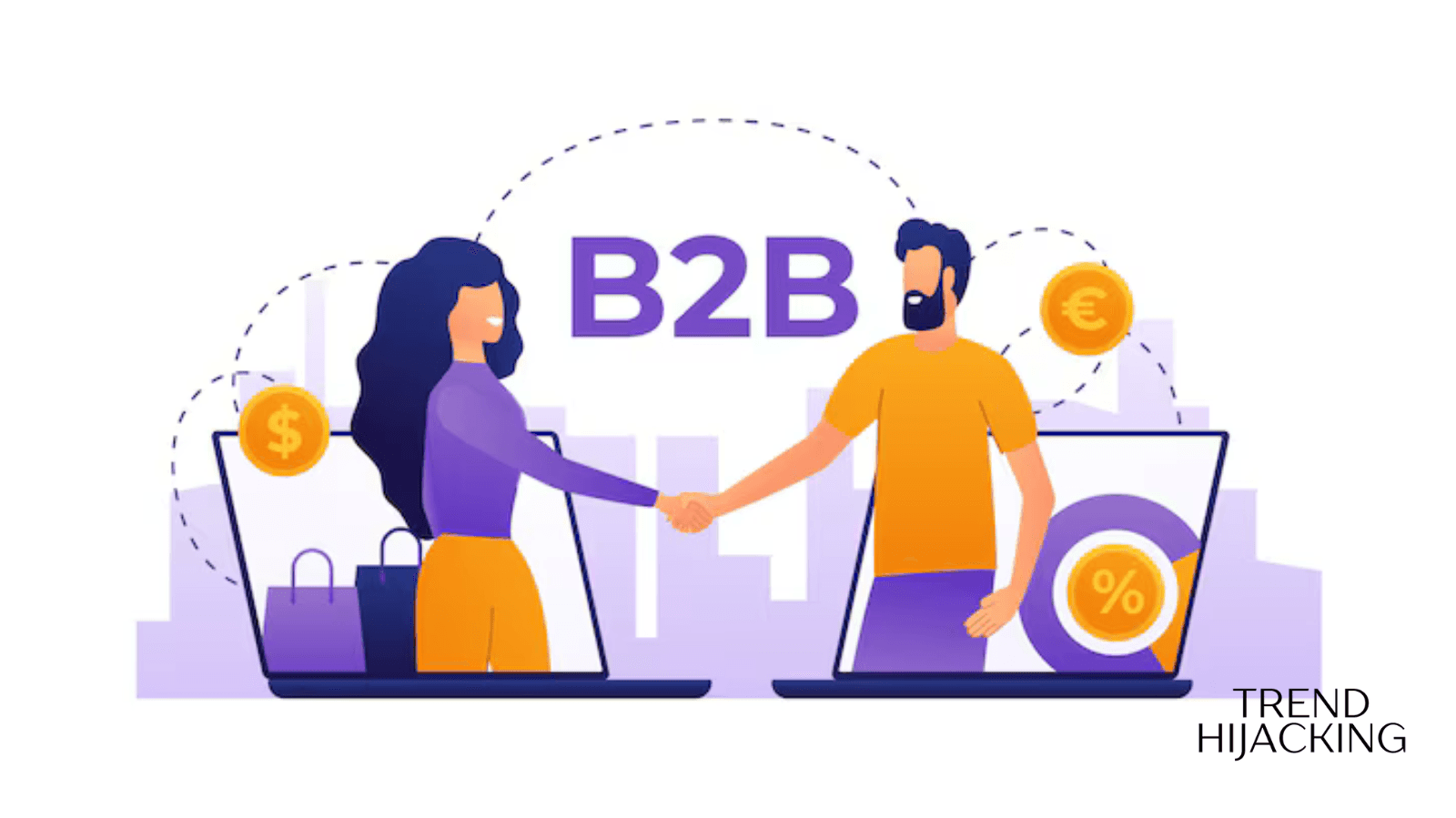
You cannot buy every business without money. Trying to acquire a risky startup, a declining retail shop, or a business with unstable earnings is unrealistic.
The ideal businesses should include the following:
Consistent, predictable cash flow
Clean financial records
Loyal customers
A capable team already in place
An owner who is motivated to sell
Service businesses are often ideal. Think about accounting firms, HVAC companies, cleaning services, small manufacturing shops, or B2B service providers.
These types of businesses are often owned by baby boomers approaching retirement who care more about continuity and legacy than squeezing out the absolute highest price.
In the United States alone, approx. 5 million of small businesses (with assets valued at over 10 trillion) are expected to change hands in the coming decade. (Source).
Many of those owners are more concerned about finding a reliable successor than about receiving all cash at closing.
Step 2: Find A Motivated Seller

You might think that buying a business with no money is more about financial engineering. But the truth is…it is more about solving a seller’s problem.
And finding a motivated seller can double your chances of buying a business with no money down.
Some common seller motivations to consider include:
Retirement
Burnout
Health issues
No succession plan
Divorce or partnership disputes
When you understand the emotional and practical drivers behind the sale, you can craft a proposal that aligns with what the seller wants.
For example, a retiring owner may prefer steady income over five years rather than a lump sum that triggers heavy taxes. Another may care deeply about protecting employees and customers.
If you can demonstrate competence and commitment, you become far more attractive than a faceless buyer offering slightly more cash.
Step 3: Use Seller Financing
Seller financing is the most powerful tool for buying a business with no money. In a seller-financed deal, the seller agrees to receive part or all of the purchase price over time.
Instead of you paying everything at closing, you make monthly payments from the business’s cash flow.
For example:
Purchase price: $500,000
Down payment: $0 to $50,000
Seller finances: $450,000
Payment terms: 5 to 7 years
If the business generates $150,000 in annual profit, and your annual payments to the seller are $90,000, the business effectively pays for its own acquisition.
Why would a seller agree to this? Here are the many reasons why:
It expands the pool of buyers
It can generate interest income
It may provide tax advantages
It increases the chance of a smooth transition
You still need credibility. Strong communication, a clear transition plan, and proof that you understand the business are critical.
Step 4: Go for SBA Loans

In the United States, the U.S. Small Business Administration offers loan programs that help buyers acquire small businesses with limited personal capital.
The most popular is the SBA 7(a) loan. It does not mean the government gives you money. It means the SBA guarantees a portion of the loan made by a bank, reducing the lender’s risk.
Many SBA deals require around 10 percent down. However, that down payment does not always have to come directly from your pocket. It can sometimes be structured through:
Partial seller financing on standby
Investor equity
A rollover of seller equity
An SBA-backed acquisition combined with seller financing is a common and powerful structure. That said, SBA lenders require you to meet the following to qualify for a loan:
Strong credit
Relevant management experience
Solid financial documentation
Detailed projections
If you lack these, you might have a hard time trying to secure loan for buying a business.
Trend Hijacking helps you Reclaim Control over your Financial Destiny
Most successful professionals and investors like you never actually own real assets that cashflow at the pace you want.
You earn well.
You invest passively.
But you never truly control something scalable.
We've created a solution: a FREE guide that shows you exactly how investors are using acquisitions to outperform stocks and real estate, all without needing any experience.
Step 5: Bring In Investors Strategically

If you truly have zero capital, you can raise funds from private investors.
This might include:
Friends and family
Angel investors
High net worth individuals
Strategic partners
In exchange for capital, they receive equity or preferred returns.
However, do not rush into giving away large ownership stakes. Many inexperienced buyers over-dilute themselves.
If you give away 70% of the business just to close the deal, you are no longer building your own asset.
A smarter approach would be to:
Raise only what is necessary
Structure preferred returns rather than excessive equity
Maintain operational control
Investors care about risk-adjusted return. Present them with a clear deal structure, realistic projections, and a conservative downside scenario.
If your pitch is vague or overly optimistic, serious investors will walk away.
Step 6: Structure An Earnout
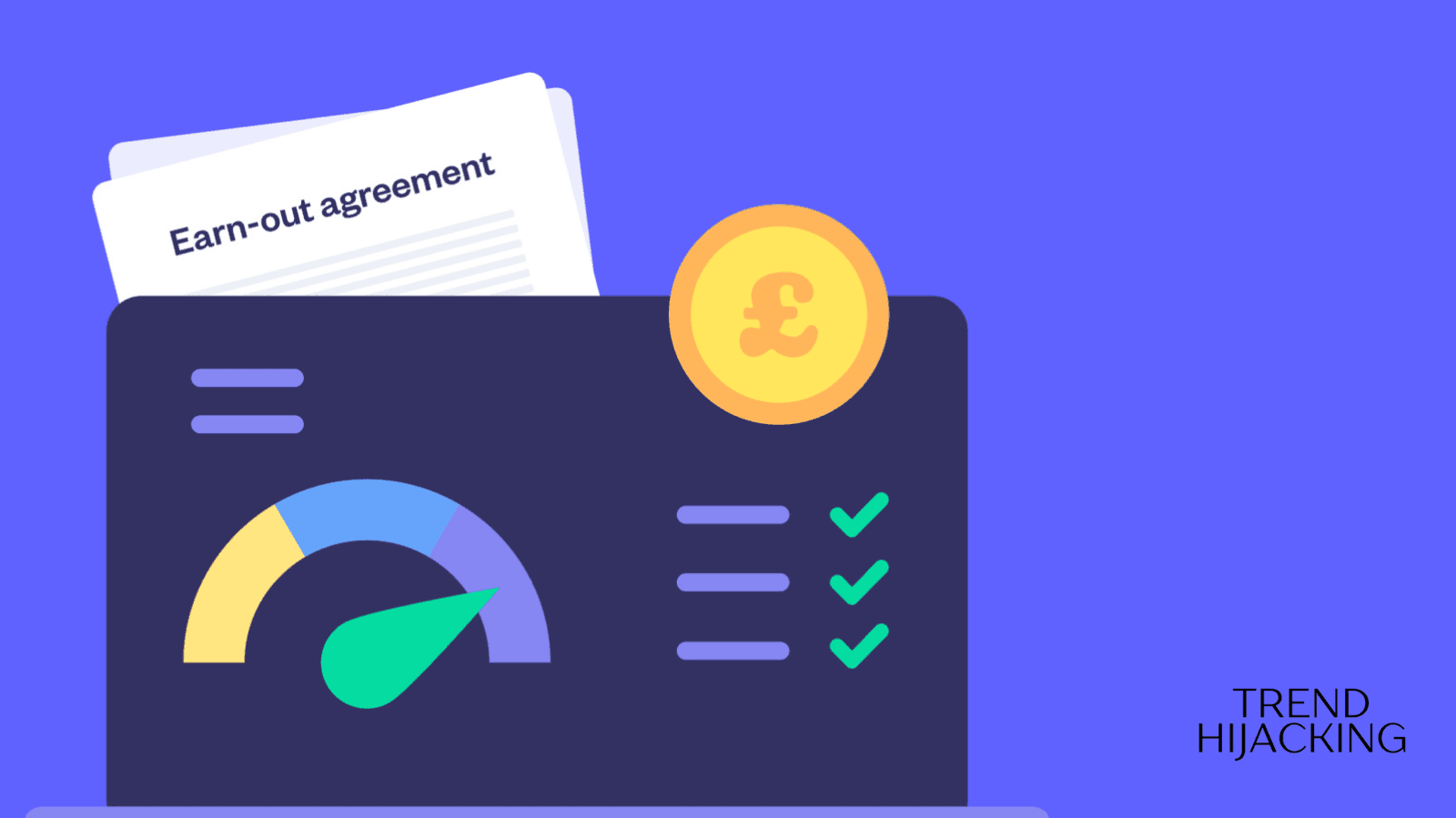
An earnout ties part of the purchase price to future performance.
For example:
$300,000 paid overtime only if revenue targets are met
Payments based on EBITDA performance
Bonuses triggered by customer retention
Earnouts not only reduce your upfront risk but also align incentives during the transition period.
Sellers are more open to earnouts when they believe in the strength of the business and trust your ability to operate it properly.
But keep in mind that clarity wins here. Poorly defined earnouts can create disputes. So, it’s always important to define metrics precisely and put everything in writing.
Step 7: Negotiate Smartly
Buying a business with no money requires negotiation skills. If you are uncomfortable discussing numbers, terms, or contingencies, you will lose deals.
You should focus on the following crucial areas:
Total purchase price
Payment structure
Interest rates on seller notes
Transition support
Non-compete agreements
Working capital included in the sale
Many buyers obsess over price and ignore terms. Terms can matter more than price.
A $600,000 business with flexible seller financing and a long amortization period can be far better than a $500,000 business demanding 80 percent cash at closing.
Step 8: Perform Serious Due Diligence

Acquisition Rule of Thumb: Never skip due diligence. If you do, or perform sloppy due diligence, then you should be well prepared to face the disaster that follows.
When you get down to evaluating a deal, we advise you to focus on the following areas:
Tax returns for at least three years
Profit and loss statements
Balance sheets
Customer concentration
Supplier agreements
Employee contracts
Pending lawsuits
Debt obligations
You may need to hire an accountant and an attorney for this part. Yes, this will cost you money but it’s worth it rather than cutting corners.
A business that looks profitable on paper can hide declining customers, aging equipment, or inflated “add-backs” that artificially boost earnings.
If the numbers do not hold up, walk away.
Step 9: Prepare To Add Value
Buying a business with no money works best when you bring something valuable to the table.
This could be:
Industry experience
Operational expertise
Marketing skill
Sales capability
Process improvement knowledge
If your only contribution is enthusiasm, you are not ready.
You must convince the seller, the bank, and potential investors that under your leadership, the business will remain stable or improve.
Confidence without competence is quite risky in acquisitions.
Common Mistakes To Avoid When Buying A Business With No Money

Here are mistakes new buyers repeatedly make when planning to acquire businesses with no money down:
1. Chasing “hot” businesses with unstable earnings
2. Overestimating future growth to justify aggressive debt
3. Ignoring working capital needs
4. Failing to secure a proper transition period with the seller
5. Buying something you do not understand operationally
Many first-time buyers focus on the idea of ownership rather than the reality of management.
Owning a business means solving problems daily. If you are not prepared for that, no creative financing structure will save you.
How To Buy An Ecommerce Business With No Money Down
Buying an ecommerce business with no money down becomes far more realistic when you combine smart deal structuring with access to the right lending support.
If you are targeting an online business, you already know that ecommerce operates differently from traditional brick and mortar companies.
Revenue is platform based, advertising drives growth, inventory turns matter, and performance data tells the real story. Many traditional lenders simply do not evaluate those factors properly.
Because we specialize in ecommerce acquisitions at TrendHijacking, we understand how these deals are structured and what lenders need to see.
That is why we have partnered with an experienced lending broker who works specifically with business acquisition financing.
If you qualify, this can expand your purchasing power and allow you to pursue stronger, more established ecommerce businesses without relying entirely on personal cash.
As we mentioned earlier, financing only makes sense when the numbers comfortably support repayment and can be a powerful tool when correctly structured.
Final Thoughts
If you follow this practical advice to approach business acquisition, you can absolutely buy a business without using your own money. We advise you to focus on cash-flowing and stable businesses, motivated sellers, creative but responsible deal structures, thorough due diligence, and operational excellence after acquisition
The opportunity to buy an existing business with no money is always available, especially in markets where aging business owners need successors. But understand that a well-thought-out structure can compensate for lack of capital but not for compensation for lack of competence. If you focus on building your skills first, the deals will follow.




A Done-For-You E-commerce Business
Discover how we Build, Launch, and Scale a 6-figure/month Business for You
Learn more
The 6-Step Blueprint to E-Commerce Acquisition
See how we Acquire, Convert, and Scale with Real Case Studies to Prove It.
You May Also Like


Join investors, Entreprenuers and Professionals like you building wealth through Ecommerce acquisitions, with the experts managing every step.
Start with our 14-day Free Business Acquisition Launch, where we show you exactly how we operate and give you a curated list of businesses tailored to your budget, goals, and lifestyle.