You have probably heard that owning cash flow is way better than starting from scratch.
However, the main problem is that you may not have the capital to acquire an established business.
This can make your goal of owning a revenue-generating business feel out of reach.
But here's the part most people miss: Lack of cash is not what stops deals. Poor structure does.
Many small business owners sell without being paid up front. They do this because they trust the buyer and believe in the business's cash flow.
This happens more often than you think!
This article shows you how you can acquire cash flowing businesses without using your own money.
You'll learn how to structure deals, why sellers agree to these terms, and how to position yourself as a serious buyer even without capital.
What Buying A Cash-flowing Business With No Money Down Really Means
No money down does not mean getting a business for free. It means you do not use your own cash at closing.
The business itself pays for the purchase over time. This happens because the business already produces profit.
Most small business deals rely on future cash flow.
According to the 2024 BizBuySell Insight Report, more than 60% of small business sales include seller financing.
This number matters because it shows that this is quite normal.
When you understand this, your mindset changes. You stop asking how much money you need and start thinking about how the deal pays for itself.

Looking to Acquire an E-Commerce Business?
Finding the right business takes more than browsing listings. You need an opportunity that fits your budget, aligns with your objectives and has genuine potential to grow.
Trend Hijacking helps entrepreneurs, investors, and strategic buyers source e-commerce businesses, access off-market opportunities, conduct due diligence, negotiate deals, and navigate the acquisition process from start to finish.
Tell us what you're looking to acquire, and let's find the right opportunity for you.
Method #1: Most Buyers Opt For Seller Financing
Seller financing is the most common way buyers use to buy a business with no money down.
The seller agrees to get paid over time instead of up front.
You use the profits of the business to make those payments.
Sellers accept this for clear reasons. They earn interest on the sale. They often pay less tax in the first year.
They also increase the pool of buyers.
The SBA supports this structure because it lowers risk. The US Small Business Administration notes that deals with seller notes have higher success rates after closing.
A simple example helps:
Assume a business earns $250,000 per year in profit. You agree on a fair price based on those earnings. The seller carries the full note.
You make monthly payments from profit and still keep cash each month. The business pays for itself.
Method #2: Use Earn-Outs To Reduce Risk and Cash Needs
An earn-out means the seller gets paid only if the business performs as promised.
This works well when the seller claims strong growth or future upside.
Harvard Business Review shows that earn-outs reduce buyer risk in deals where future performance matters. (Source).
They also keep sellers involved during the transition.
You set clear rules. If revenue or profit hits the agreed numbers, the seller gets paid. If not, you do not overpay.
This removes the need for upfront cash and protects you from inflated claims.
Method #3: SBA Loans Can Eliminate The Down Payment
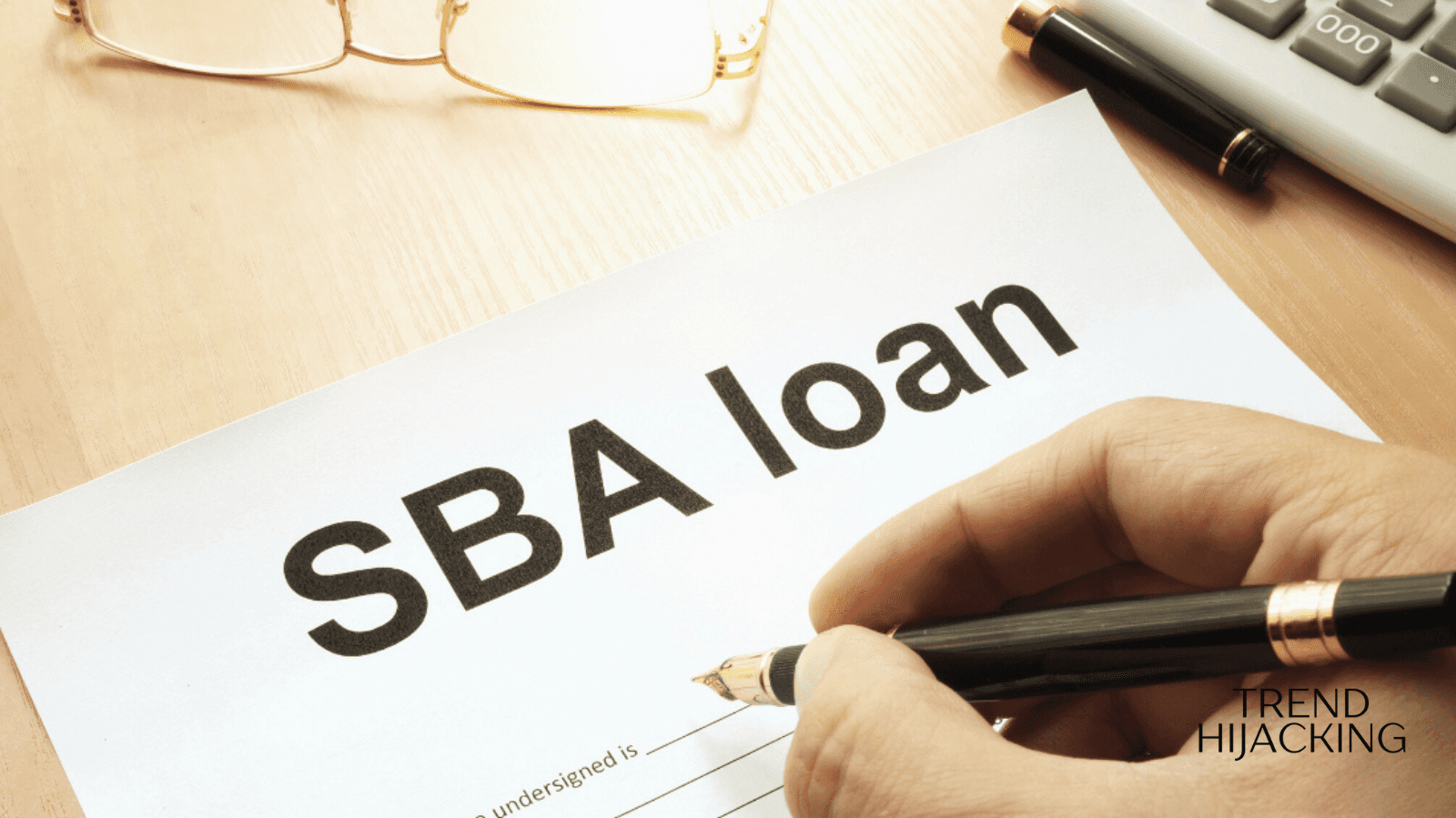
The SBA 7(a) loan program allows creative deal structures. Many buyers do not know this.
The SBA allows seller notes to replace buyer equity in some cases.
According to SBA guidelines, a full standby seller note that pauses payments for two years can count as the buyer’s equity.
This can reduce the cash down to zero.
This approach works best with stable businesses that show clean books and steady profit.
Banks care about history and consistency more than growth stories.
Related: The Dark Side of Using an SBA Loan To Buy A Business
Additional Tips For Buying A Business With No Capital
Below are some additional tips to keep in mind when buying a business with no money down:
Focus on Buying Cash Flow, Not a Job
Many buyers fail because they buy the wrong business. They chase ideas instead of income.
A strong cash flowing business shows several traits. It has steady profit for at least three years.
The owner does not work extreme hours. Customers return without heavy marketing. Operations stay simple.
Statista reports that small businesses with recurring revenue have higher survival rates after ownership changes.
Predictable cash flow matters more than excitement.
If the business collapses without the owner, the deal does not work with no money down.
Use the Business Itself As Leverage
Some businesses own valuable assets, including equipment, inventory, and long-term contracts, which all matter.
These assets reduce lender risk and strengthen your position.
Asset-based lending allows you to borrow against what the business already owns. This reduces the need for your own cash.
This works best in service firms with equipment or companies with physical inventory.
You are not asking for trust. You are offering security.
Sellers Care About More Than Price
It’s worth noting that many sellers want peace of mind. They want their staff protected and their customers treated well.
Simply put: they want their legacy respected.
When you explain your plan clearly, trust grows. Trust leads to flexible terms. Flexible terms lead to no-money-down deals.
This is not about pressure but alignment.
Related: How To Get Financing For Buying A Business
Looking to Acquire an E-Commerce Business?
Finding the right business takes more than browsing listings. You need an opportunity that fits your budget, aligns with your objectives and has genuine potential to grow.
Trend Hijacking helps entrepreneurs, investors, and strategic buyers source e-commerce businesses, access off-market opportunities, conduct due diligence, negotiate deals, and navigate the acquisition process from start to finish.
Tell us what you're looking to acquire, and let's find the right opportunity for you.
Conclusion
It’s possible to buy a cash flowing business with no money down. This approach is common, legal, and proven. The most common methods to consider include seller financing, earn-outs, and SBA-backed structures, which make it possible.
The real skill lies in proper deal structuring. You should focus on profit, stability, and trust. Let the business pay for itself. When you do this right, you buy income instead of stress.
Buy An Ecommerce Business With Trend Hijacking
If you want to own an e-commerce business with cash flow, our Smart Acquisition system is built with you in mind.
We source real stores, review the numbers, and guide you through the purchase and growth process. This is for people who want cash flow first.
With our support, you skip the trial and error and focus on owning and improving a proven online business.



A Done-For-You E-commerce Business
Discover how we Build, Launch, and Scale a 6-figure/month Business for You
Learn more
The 6-Step Blueprint to E-Commerce Acquisition
See how we Acquire, Convert, and Scale with Real Case Studies to Prove It.
You May Also Like


Join investors, Entreprenuers and Professionals like you building wealth through Ecommerce acquisitions, with the experts managing every step.
Start with our 14-day Free Business Acquisition Launch, where we show you exactly how we operate and give you a curated list of businesses tailored to your budget, goals, and lifestyle.