


Listen to Article
0:00/0:00
According to the Federal Trade Commission, online business fraud caused more than $10 billion in losses in 2023.
This report clearly shows how often investors and entrepreneurs are misled by investment scams, impersonation schemes, and fake online businesses.
E-commerce stores are a major part of this market.
As more online stores are listed for sale, the number of dishonest sellers has grown right alongside them.
Many listings display impressive revenue numbers that look real but are completely fabricated.
New buyers are at high risk of falling for these scams.
It is easy to open a listing, see high revenue numbers, and feel pressured to move fast before someone else buys it.
This excitement causes you to skip proper verification and walk straight into a fake-revenue trap.
In this article, we’ll teach you the exact process we follow to check if an e-commerce store seller is faking revenue.
This process has helped us secure profitable e-commerce deals for the 400+ investment partners we’ve worked with and achieve a 425.2K acquisition success rate (translating to highly profitable acquisitions).
We'll break down the exact checks you should run so you can avoid getting scammed before you spend a single dollar.
What Is Fake Revenue In E-commerce?
Fake revenue in an e-commerce business for sale means the sales shown by a store do not come from real customers.
In many cases, the seller places orders in their own store, refunds those orders after reporting the sales, or edits reports to make the numbers look better.
Some sellers also show only a single strong month while hiding long periods of weak performance.
Real revenue for an e-commerce store comes from real buyers who pay with their own money and do not reverse the transactions.
To verify an e-commerce store's revenue, the store’s cash flow, website traffic, and order history must all line up.
If any one of those does not match, that’s a huge RED FLAG, and the revenue cannot be trusted.
Related: How To Buy Revenue-Generating Websites
Trend Hijacking helps you Reclaim Control over your Financial Destiny
Most successful professionals and investors like you never actually own real assets that cashflow at the pace you want.
You earn well.
You invest passively.
But you never truly control something scalable.
We've created a solution: a FREE guide that shows you exactly how investors are using acquisitions to outperform stocks and real estate, all without needing any experience.
Step 1: Check Bank Deposits

Real sales for an e-commerce business always leave a money trail.
When verifying revenue, you should ask the seller for three to six months of bank statements tied to the store.
The business name on the account should match the store, and the deposit dates should line up with the sales shown in the dashboard.
Look for payouts from processors like Stripe, PayPal, or Shopify Payments.
These services send money on regular schedules, so the totals should closely match the revenue being claimed.
If a seller only provides one month of statements, that is a major red flag.
Legitimate businesses show normal ups and downs over time. You are looking for a consistent pattern of income, not a single lucky spike.
Related: What To Look For In An E-Commerce Profit & Loss Statement (P&L)
Step 2: Match Processor Reports To Store Reports

While the dishonest sellers can easily edit a Shopify dashboard, they cannot easily alter Stripe or PayPal transaction logs.
Therefore, we advise you to always ask for full exports from every payment processor the store uses and compare them to the store’s reported sales.
The gross revenue, refunds, and net payouts should all line up across every system.
Pay close attention to refunds and chargebacks. Card networks closely monitor these, and healthy stores keep them low.
If a store shows unusually high refunds, it often means the seller is placing fake orders and reversing them later to inflate revenue.
Real businesses do not rely on such a trick.
Step 3: Check Traffic Against The Sales

This is one of our favorite checks at Trend Hijacking. We base it on the simple FACT that sales cannot exist without traffic.
Ask the seller for read-only access to Google Analytics or Shopify Analytics so you can review sessions, users, and where visitors are coming from.
Keep in mind that most e-commerce stores convert only a small share of visitors into buyers.
If a seller claims an unusually high conversion rate, then you should demand strong proof.
High numbers can happen, but they usually come from repeat customers or a powerful email list.
You should also review time on site and pages per session.
Real shoppers browse, compare, and click through multiple pages before they hit the buy button.
Related: The Ultimate Playbook To Buy, Grow & Exit E-commerce Brands For 6 Figures
Step 4: Compare Paid Ads With Sales
Most e-commerce stores rely on advertising to drive traffic and generate sales.
This makes the ads another surefire way to tell if the seller is faking their business revenue.
Ask for access to the store’s Meta Ads and Google Ads accounts to review their ad spend, clicks, and tracked sales.
If a store claims $100,000 in monthly revenue but reports little or no ad spend and minimal search traffic, that claim is highly suspicious.
According to Meta’s 2023 report, small businesses account for a significant portion of ad activity.
This underscores that legitimate sellers typically invest in ads to generate real sales.
Trend Hijacking helps you Reclaim Control over your Financial Destiny
Most successful professionals and investors like you never actually own real assets that cashflow at the pace you want.
You earn well.
You invest passively.
But you never truly control something scalable.
We've created a solution: a FREE guide that shows you exactly how investors are using acquisitions to outperform stocks and real estate, all without needing any experience.
Step 5: Review Order Level Data

To avoid falling for fake revenue when buying an e-commerce business, you should also request a CSV export of all orders.
Here, you want to examine crucial info such as order times, payment methods, and shipping locations.
Fake revenue often appears as a cluster of orders in a short time or many orders coming from the same region or IP address.
Legitimate stores show orders spread out over time and shipped to diverse locations.
Also, be sure to review the product mix: a real store with multiple products will have sales across a variety of SKUs, not just a few repeated items.
Step 6: Verify Shipping And Supplier Records
Real sales ship real products.
We advise you to request shipping label logs from USPS, UPS, or FedEx and confirm that the number of labels matches the number of orders.
Also, ask the seller for supplier invoices. The dates and quantities on these invoices should align with the store’s order data.
For example, a store claiming 1,000 orders should have purchased stock for roughly 1,000 units.
These documents provide concrete proof that sales were generated by real customers, not fabricated numbers.
Related: How Much Does It Cost To Buy A Shopify Store In 2026?
Step 7: Use Third-Party Traffic Tools
Using third-party tools can help you verify the traffic claims of the seller.
Some of these tools include Similarweb and Ahrefs. While they do not give exact numbers (they only provide traffic estimates), they can reveal whether claimed traffic is realistic.
For example, if a seller claims 500,000 visits per month but Similarweb estimates only 10,000, that discrepancy is a red flag.
Similarweb explains that its panel covers millions of desktop and mobile users, making it a reliable benchmark for traffic checks.
Use these tools as a sanity check, not the sole proof of traffic.
Step 8: Ask For A Live Screen Share
Yes! A live screen share can be one of the most effective ways to verify a store’s claims!
Ask the seller to log into key accounts such as Shopify, Stripe, and Google Analytics while you watch them navigate through reports in real time.
During the session, check metrics like revenue, orders, refunds, and traffic sources to ensure they match the documents and exports you’ve already reviewed.
Many fake sellers will refuse or make excuses because the data only exists in manipulated screenshots or spreadsheets.
Legitimate sellers, on the other hand, can easily perform this demonstration in minutes.
A live screen share not only confirms that the reported numbers are real but also shows you how the store operates day to day.
It gives you confidence that the business is genuine and that the revenue comes from actual customers rather than fabricated sales.
Related: 20+ Must-Know Terms Before You Buy An Online Business
Real Store Vs Fake Store Comparison
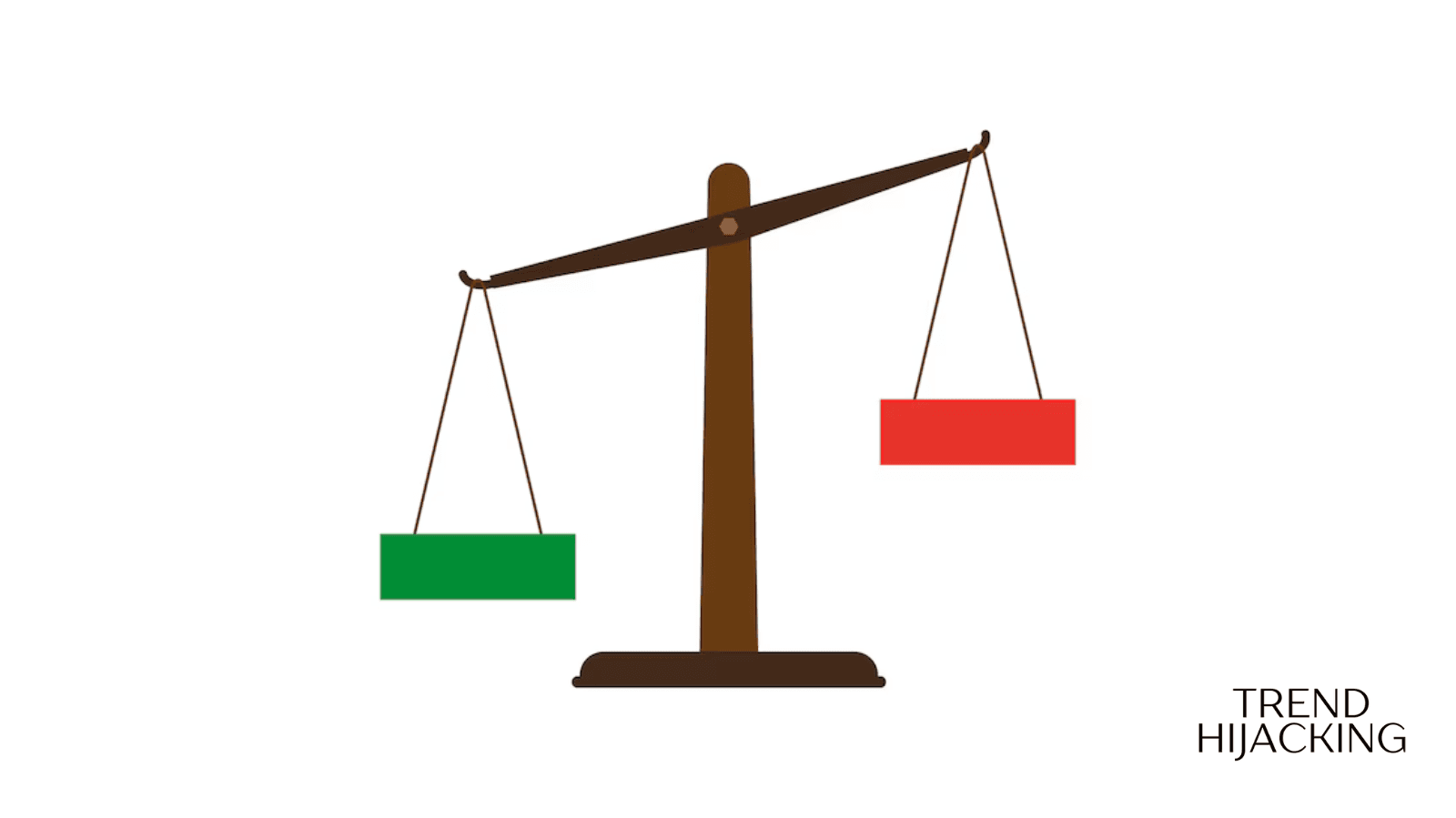
Here is our shortlist of the key areas to focus on to help you tell a fake store (with manipulated numbers) from a real store:
Bank deposits: A real store shows steady, consistent deposits that align with reported sales. A fake store often has gaps, sudden spikes, or inconsistent deposit patterns.
Refunds and chargebacks: Legitimate stores maintain low refund and chargeback rates. Fake stores may show unusually high refunds, often because orders were placed and later reversed to inflate revenue.
Traffic vs. sales: In a real store, website traffic and sales numbers correlate naturally. Fake stores may claim high sales despite low traffic or show unrealistic conversion rates.
Shipping and fulfillment: Real stores provide shipping logs that match the number of orders, showing that products are being delivered. Fake stores often have missing, incomplete, or inconsistent shipping proof.
Overall pattern: Real stores display consistent, verifiable data across bank statements, payment processors, traffic, and orders. Fake stores tend to have mismatched, incomplete, or manipulated information.
By reviewing these key areas, you can make a clear, evidence-based decision about whether a store is legitimate or likely fraudulent.
Related: 7 E-Commerce Business Acquisition Red Flags That Could Cost You
Buy An E-commerce Business Safely With Trend Hijacking
Conclusion
Fake revenue can destroy deals and waste significant money, but you can protect yourself by following these clear verification steps.
Always match bank deposits to reported sales and ensure payment processor logs align with store dashboards.
Compare traffic to orders, review ad spend, monitor refunds, and verify shipping and supplier records.
A live screen share adds an extra layer of certainty.
These simple checks will give you a clear picture of whether an e-commerce business seller is being honest about revenue.
Doing this due diligence upfront can save you from costly mistakes and help you invest with confidence.





A Done-For-You E-commerce Business
Discover how we Build, Launch, and Scale a 6-figure/month Business for You
Learn more
The 6-Step Blueprint to E-Commerce Acquisition
See how we Acquire, Convert, and Scale with Real Case Studies to Prove It.
You May Also Like


Join investors, Entreprenuers and Professionals like you building wealth through Ecommerce acquisitions, with the experts managing every step.
Start with our 14-day Free Business Acquisition Launch, where we show you exactly how we operate and give you a curated list of businesses tailored to your budget, goals, and lifestyle.