
More investors are skipping the startup grind and jumping straight to buying revenue instead. And honestly, that makes sense. Finding a solid web-based business for sale and acquiring it is one of the fastest ways to step into cash flow without spending years building from scratch.
Online businesses have changed what asset ownership looks like. A well-run e-commerce store, content site, or SaaS product can generate consistent income with a lean team, low overhead, and systems that largely run themselves. That combination is hard to find anywhere else.
This article covers which web-based businesses are worth buying right now, how to evaluate them properly before committing, what mistakes investors the most, and how professional acquisition support changes the outcome.
What Is A Web-Based Business?

A web-based business is any business that operates primarily online. Its revenue comes from digital activity, and it can run without a physical location, retail storefront, or large in-person workforce.
The categories are broader than most people expect:
E-commerce stores selling physical products through Shopify or WooCommerce
Amazon FBA brands using Amazon's logistics and marketplace
Content and affiliate websites earn through display ads and affiliate commissions
SaaS businesses offering software on a subscription model
Digital product businesses selling courses, templates, or downloads
Lead generation sites that connect buyers and sellers in specific niches
Subscription boxes combining physical products with recurring billing
Each has a different revenue model, risk profile, and growth ceiling.
What they share is that they can scale without proportional increases in overhead, and they can be acquired, operated, and eventually sold in ways that physical businesses rarely allow.

Trend Hijacking helps you Reclaim Control over your Financial Destiny
Most successful professionals and investors like you never actually own real assets that cashflow at the pace you want.
You earn well.
You invest passively.
But you never truly control something scalable.
We've created a solution: a FREE guide that shows you exactly how investors are using acquisitions to outperform stocks and real estate, all without needing any experience.
Why Buy An Established Online Business Instead of Starting One?

Starting an online business from zero sounds appealing until you do it.
The first year is mostly learning. You test products, build traffic, figure out what converts, and absorb losses while doing it. The average ecommerce store takes 18 to 24 months to generate meaningful profit — if it survives at all. Most don't.
Studies consistently show that over 90% of new online stores fail within their first two years.
Buying an existing business changes the math entirely.
When you acquire an established site, the traffic is already there. The revenue history tells you what the business earns. Supplier relationships are in place. Customers have bought before and may come back again. The operational systems, however imperfect, already exist.
This is what experienced investors call "buying cash flow." You're not speculating on whether a market exists. You're buying into proof that it does.
You're also buying momentum. An established business with growing organic traffic, a solid email list, and repeat customers has something a new store simply can't have: history. And history is what lenders, valuation models, and future buyers pay for.
5 Types of Web-Based Businesses Worth Buying Now
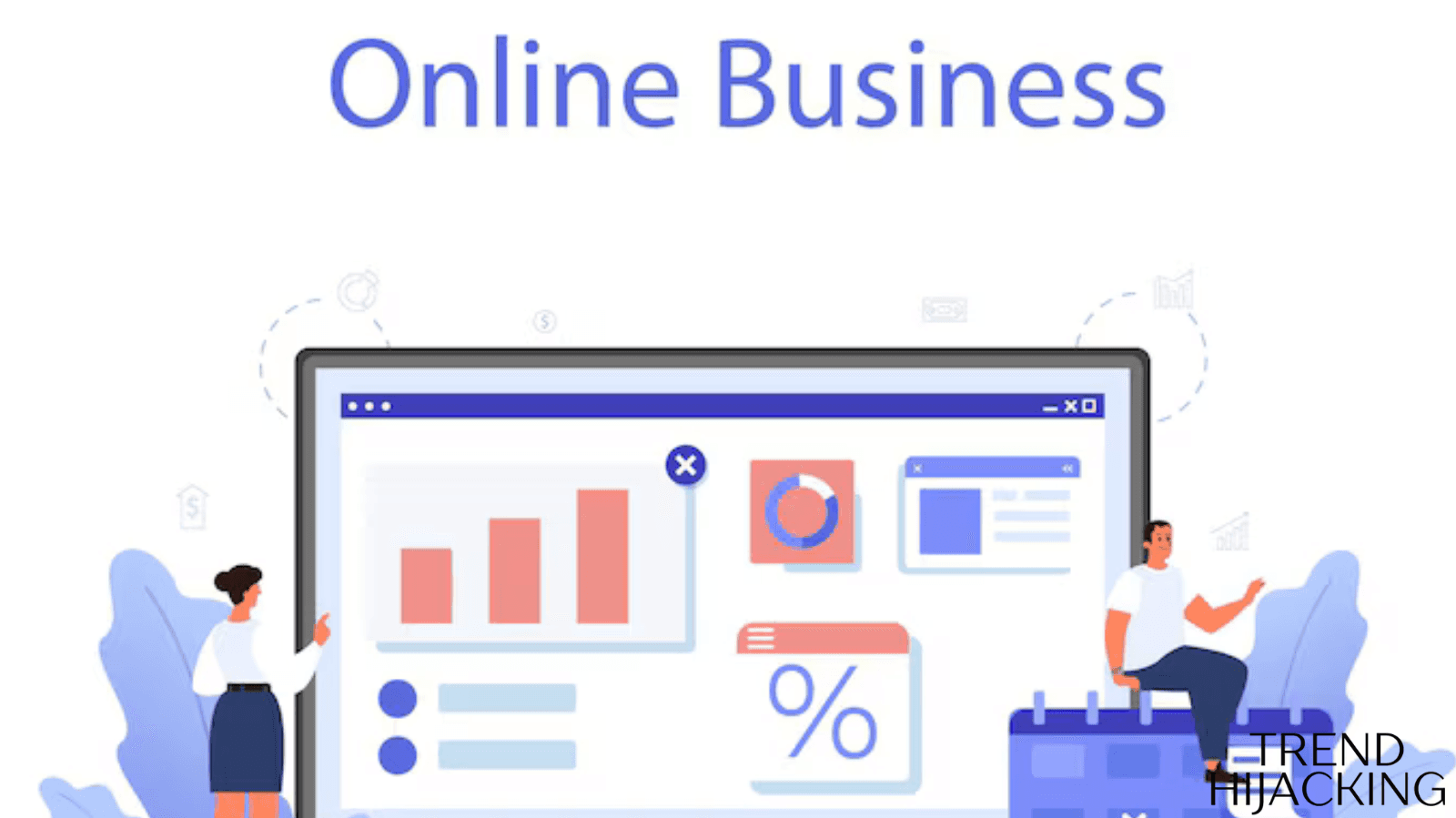
Below, we share our list of the best web-based businesses worth buying today:
1. E-commerce Stores
E-commerce stores remain one of the most sought-after acquisition targets. The best ones have real brand equity, repeat customer behavior, and product categories with durable demand.
Strong niches right now include home improvement, pet products, specialty beauty, outdoor gear, and wellness. These aren't trend-dependent. They serve consistent needs and attract customers willing to spend.
What makes a store worth buying: a healthy conversion rate above 2%, a returning customer rate above 20%, a clean supplier relationship, and margins that survive ad cost fluctuations.
2. Shopify Stores
Shopify stores are popular acquisition targets because they're straightforward to transfer and operate. The platform handles most of the technical infrastructure, so buyers can focus on growth.
Look for stores where revenue is not entirely dependent on paid ads. If the moment ad spend stops, so does revenue — the business is fragile.
The most valuable Shopify stores also have an email list with real engagement, a brand identity beyond the products, and suppliers who aren't a single point of failure.
3. Amazon FBA Businesses
Amazon FBA businesses appeal to investors because Amazon handles storage, fulfillment, and a significant portion of customer service. The marketplace traffic is already there.
The risk is real though. These businesses are deeply dependent on Amazon's platform. Policy changes, account suspensions, and increased competition from Amazon's own private label products are genuine concerns.
Buying an FBA business with strong review profiles, diversified SKUs, and a presence off Amazon too is meaningfully safer than one that lives and dies by a single listing.
4. Content and Affiliate Sites
A content site with strong organic traffic and a high-RPM niche can be one of the most passive acquisitions you'll ever make. If the SEO foundation is solid, a good site earns while you sleep.
The best opportunities are sites in evergreen niches with a strong backlink profile, consistent traffic from Google, and affiliate relationships with programs that pay well. Finance, health, home improvement, and legal niches tend to carry the highest ad rates.
Be careful with sites that got a sudden traffic spike and then leveled off. Evaluate 24 months of traffic history before making any assumptions.
5. SaaS Businesses
SaaS acquisitions are attractive because of recurring revenue. Monthly subscribers pay consistently, churn is measurable, and the cash flow is predictable in a way that ecommerce simply isn't.
The challenge is that SaaS requires more technical knowledge to operate. Customer support is more complex. Churn is the number that kills SaaS businesses quietly; even a 3% monthly churn rate means losing a third of your customers in a year. Vet it carefully.
How To Evaluate A Web Based Business Before Buying

This is where most buyers get it wrong; they look at the headline revenue number, get excited, and move too fast.
Here are the crucial areas to evaluate when buying a web-based business:
Revenue verification comes first: Request full profit and loss statements going back at least 24 months. Cross-reference them against bank statements and payment processor records. Look at supplier invoices. Revenue that can't be verified independently shouldn't be trusted.
Traffic quality analysis is just as important as the revenue: A business earning from organic search traffic is fundamentally more stable than one dependent on paid ads. Check where visitors come from. Look at bounce rates and session duration. Traffic from a single source, whether that's one ad platform or one keyword, is a concentration risk.
Customer metrics tell you what the business is worth to its buyers: Look at customer acquisition cost, lifetime value, repeat purchase rate, and refund rates. High refund rates often signal product quality problems. Low repeat purchase rates suggest the business is constantly chasing new customers rather than keeping the ones it has.
Operational complexity is often underestimated: Some businesses look clean on paper but require constant attention in practice. Understand the team structure. Know how much of the business depends on the owner personally being involved. If key supplier relationships or platform access are tied to the seller, that's a problem you'll inherit.
Brand strength: This crucial aspect can be the most undervalued asset or the most overrated one, depending on the business. Look at reviews, social media presence, and whether customers engage with the brand beyond just buying from it.
Biggest Risks When Buying Online Businesses:

Some of the biggest RISKS you should be aware of when buying a web-based business include:
Fake revenue and inflated metrics are more common than buyers expect. Sellers have been known to run temporary ad campaigns before a sale to inflate traffic, use manipulated screenshots of revenue dashboards, or time listings to coincide with seasonal peaks while presenting them as typical performance. Always ask for direct access to analytics and payment accounts, not screenshots.
Platform dependency is quiet but serious. A business relying on one ad platform, one supplier, or one sales channel is exposed to a single point of failure. When that platform changes its algorithm, raises its costs, or simply bans the account; the revenue disappears.
Operational complexity kills acquisitions that looked clean from the outside. Some businesses need constant firefighting: customer service backlogs, supplier reliability issues, logistics problems. Know what the day-to-day looks like before signing anything.
Weak scalability is often the reason a seller is moving on. If margins are thin, the market is saturated, and customer retention is low, growth is genuinely capped. A business priced as if it has upside may have already hit its ceiling.
Trend Hijacking helps you Reclaim Control over your Financial Destiny
Most successful professionals and investors like you never actually own real assets that cashflow at the pace you want.
You earn well.
You invest passively.
But you never truly control something scalable.
We've created a solution: a FREE guide that shows you exactly how investors are using acquisitions to outperform stocks and real estate, all without needing any experience.
Where To Find Web-Based Businesses for Sale

Whether you're looking for a small side hustle or a full-scale enterprise, these are the go-to spots to start your search:
Online marketplaces like Flippa and Empire Flippers have large inventories and verification processes, but they also have publicly visible listings. That visibility creates competitive bidding, which drives prices up. Many listings on open marketplaces are also priced at or above fair market value because sellers know how to present them.
Private deals are where experienced investors often find better opportunities. When a business isn't publicly listed, there's less competition and more room to negotiate. These deals require a network or a firm that actively sources them.
Acquisition firms add a layer of expertise that independent buyers often lack. They source deals, perform due diligence, handle negotiation, and in the best cases, stay involved after the purchase to support operations and growth. The difference in outcome between buying alone and buying with proper support can be significant.
How Smart Investors Scale Acquired Businesses

Acquiring the business is just the beginning. The real value creation happens in the months after.
Operational optimization often starts with conversion rate improvements. A store converting at 1.8% that gets to 2.5% doesn't need more traffic; it just gets more out of what already exists. Supplier renegotiation is another early lever. Margin improvements of even a few percentage points change the financials significantly over 12 months.
Marketing expansion through SEO growth, email sequences, retargeting campaigns, and influencer partnerships builds on the existing foundation without starting from zero.
Brand building is what creates defensibility. A business with a real identity, genuine customer community, and strong reviews is harder for competitors to replicate and commands a higher multiple when it's time to sell.
Exit preparation means managing toward EBITDA growth and multiple expansion. Buyers pay premiums for businesses with clean financials, growing revenue, and low operational dependency on a single person. Building toward that over 18 to 24 months is how investors turn a $250,000 acquisition into a $600,000 exit.
Why Many Investors Overpay for Online Businesses
Public listings create bidding environments. When multiple buyers are looking at the same business, prices get emotional.
Inexperienced buyers anchor on the revenue number and miss the margin, the risk concentration, and the operational complexity hiding underneath.
Many acquisitions also fail because the buyer had no real plan for what came after. Ecommerce operations require specific knowledge: inventory management, supplier relationships, ad account management, customer service systems.
Buyers who lack that knowledge find themselves stuck with a business that's declining and no clear path forward.
This is a structural problem in the market. Knowing what to buy is one skill. Knowing how to run and grow it after you've bought it is a different one entirely.
The Smarter Approach To Acquiring Online Businesses

The investors who consistently get the best outcomes follow a managed acquisition model rather than going it alone.
A managed acquisition works like this: a firm with deep market knowledge identifies undervalued businesses, often off-market deals that never reach public listings.
They evaluate the real financials, assess operational health, and negotiate at prices that reflect actual value rather than marketplace competition.
After the acquisition closes, the firm stays involved. Operations get stabilized. Growth levers get activated. The business is positioned for an exit at a significantly higher valuation than what was paid.
This model works because it combines deal sourcing, due diligence, operational expertise, and exit strategy in one process rather than leaving each piece to a buyer who may be doing it for the first time.
How TrendHijacking Helps Investors Buy Below Market Value

Most investors searching for a web-based business for sale run into the same wall: the good businesses are either priced too high, require operational knowledge they don't have, or need months of work before they're scalable.
TrendHijacking was built specifically to solve that problem.
The team sources off-market e-commerce businesses with real revenue but undervalued due to owner burnout, operational gaps, or a lack of scaling expertise. These are businesses that are working, just not at their potential.
The process:
Step 1. Opportunity Sourcing: TrendHijacking identifies businesses that aren't publicly listed. These are often distressed but recoverable stores, or brands with real equity that owners simply don't know how to grow further.
Step 2. Due Diligence: Revenue is verified. Margins are analyzed. Operational health is assessed. Nothing moves forward unless the numbers hold up under scrutiny.
Step 3. Growth Optimization: After acquisition, the focus shifts to conversion improvement, marketing scale, retention systems, and operational automation. The goal is to increase the business's value meaningfully within 12 to 24 months.
Step 4. Exit Strategy: The business is prepared for a high-value sale. Financials are cleaned up, growth is documented, and the exit is positioned to attract premium buyers.
This model suits first-time buyers who need guidance, passive investors who want returns without daily operational involvement, and experienced operators looking to add profitable e-commerce brands to an existing portfolio.
If you've been searching for the right acquisition opportunity but don't want to overpay or figure out operations alone, this is worth a conversation.
Web-based Business for Sale Frequently Asked Questions:
Buying an online venture comes with a lot of moving parts. Let’s clear up the confusion with answers to some of the most frequently asked questions below
What is the best web-based business to buy?
The best choice depends on your goals and how involved you want to be. E-commerce stores offer strong cash flow with room for brand building. Content sites can be more passive once established. SaaS businesses carry higher multiples but require technical oversight. Match the business model to your operational capacity and investment horizon.
How much does a web-based business cost to buy?
Prices range widely. Smaller content sites and Shopify stores sell for $20,000 to $150,000. Mid-range ecommerce businesses with solid revenue typically range from $150,000 to $500,000. SaaS businesses and larger e-commerce brands can exceed $1 million. Most businesses are priced at 2 to 4 times annual profit, depending on growth trajectory and risk profile.
Is buying an online business risky?
Every acquisition carries risk. The most common issues are fake or inflated revenue, platform dependency, and operational complexity that the buyer wasn't prepared for. Thorough due diligence, verified financials, and proper post-acquisition support reduce these risks significantly. Buying through a firm that manages the entire process reduces them further.
How do investors value e-commerce businesses?
E-commerce businesses are typically valued using Seller's Discretionary Earnings (SDE) multiplied by a factor of 2 to 4. Businesses with consistent growth, strong brand equity, diversified traffic sources, and low owner dependency command higher multiples. Declining revenue, single-channel dependence, or heavy operational reliance on the seller will reduce the multiple.
Can beginners buy online businesses?
Yes, but the learning curve is real. Beginners who go in without proper due diligence or operational knowledge tend to overpay or struggle post-acquisition. Working with an acquisition firm that handles sourcing, vetting, and ongoing operational support is often the smarter starting point for first-time buyers looking to avoid expensive mistakes.
Final Thoughts
Buying a proven online business is one of the most direct paths to cash flow available to investors today. The infrastructure already exists. The revenue is verifiable. The customer base is real.
What you need to focus on is buying the right business at the right price, with a clear plan for what comes after. Due diligence is not optional here. Operational readiness is not optional. And for most investors, the difference between a profitable acquisition and a frustrating one often comes down to the quality of support around the deal.
The best web-based business for sale opportunities don't sit in public listings for long. They get found early, evaluated properly, and acquired by investors who know what they're doing.
If you want to get ahead of that curve, TrendHijacking's acquisition program is a good place to start.




A Done-For-You E-commerce Business
Discover how we Build, Launch, and Scale a 6-figure/month Business for You
Learn more

The 6-Step Blueprint to E-Commerce Acquisition
See how we Acquire, Convert, and Scale with Real Case Studies to Prove It.
You May Also Like


Join investors, Entreprenuers and Professionals like you building wealth through Ecommerce acquisitions, with the experts managing every step.
Start with our 14-day Free Business Acquisition Launch, where we show you exactly how we operate and give you a curated list of businesses tailored to your budget, goals, and lifestyle.