
Executive Snapshot
Business model: Hybrid (DTC + Wholesale)
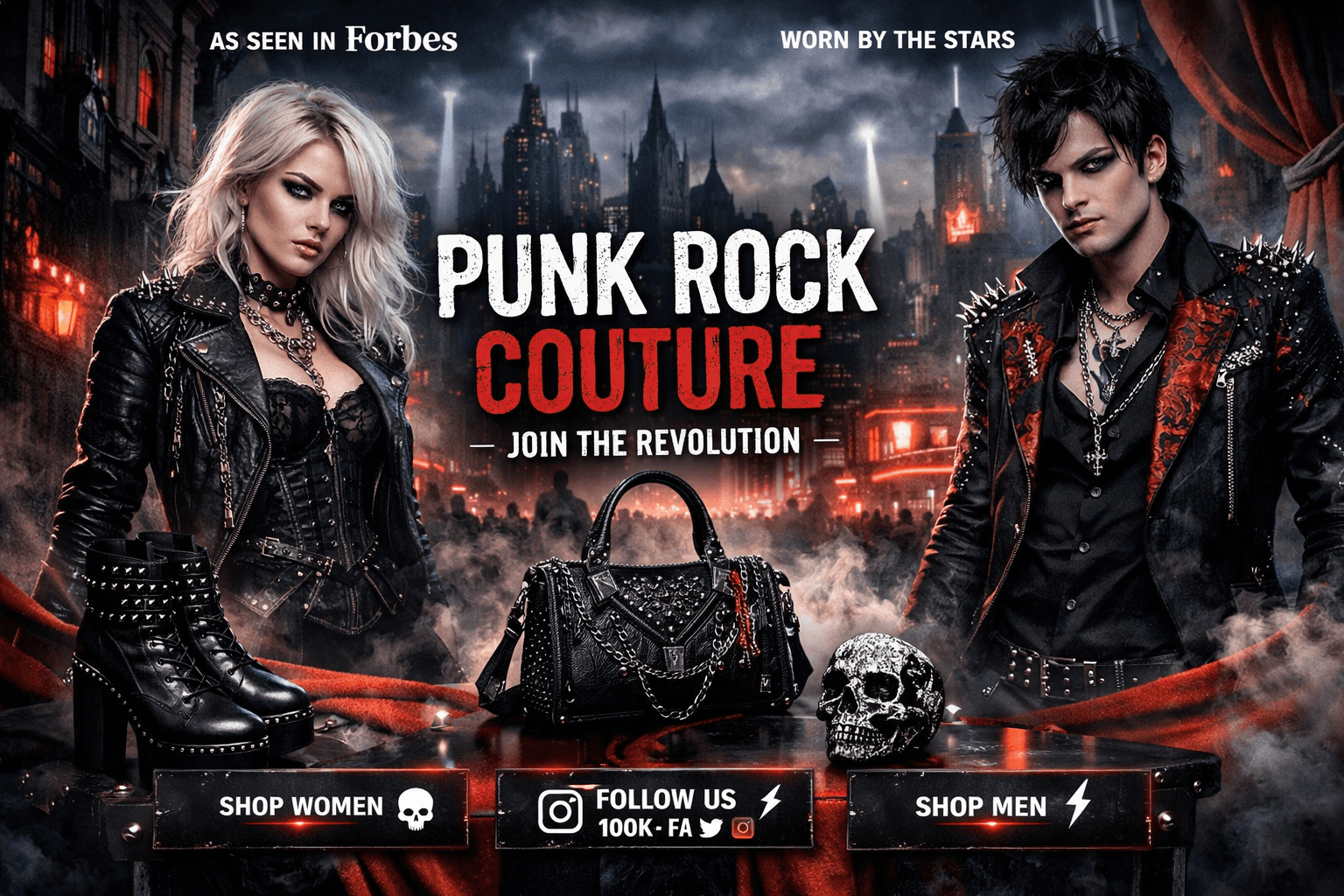
Primary product category: Alternative fashion / streetwear (rock, horror aesthetic)
Geography focus: Global (U.S.-based, strong international demand)
Year founded: ~2017–2018 (8 years old)
Revenue (TTM): ~$400,000+
Profit (TTM): ~$239,000 (~$19,919/mo)
Asking price: $600,000
Revenue multiple: ~1.4x
Profit multiple: ~2.5x
Initial investment thesis:
Culturally embedded niche fashion brand with celebrity validation + strong margins → potential to scale via distribution + brand amplification.
Initial concern flags:
Heavy brand dependency + unclear scalability of “cool factor” without founder/insider network.
Market & Demand Signals
Category overview:
Alternative fashion sits inside global apparel (~$1.7T market), but niche subculture-driven segments (punk, goth, rock) are small but loyal and high-margin.
Market dynamics:
Not trendless; cycles with culture/music relevance
Strong resurgence via Gen Z alt aesthetics (TikTok influence)
High emotional/identity-driven purchases
Demand characteristics:
Semi-evergreen (subculture never dies, but spikes happen)
Peak seasonality: Halloween, tours, festivals
Tailwinds:
Creator/influencer economy
Nostalgia cycles (90s/2000s alt revival)
Music-fashion crossover
Risks:
Subculture fragmentation
Fashion trend volatility
Output:
→ Market attractiveness: Moderate–Strong
→ Demand durability: Moderate (culture-dependent but persistent niche)
Product–Market Fit Indicators
Value prop (clean):
“Premium alternative fashion worn by rock icons and subculture leaders.”
Customer persona:
Alt fashion enthusiasts
Rock/metal fans
Identity-driven buyers
Influencer-adjacent audiences
Differentiation:
Celebrity endorsement (real, not fabricated)
Cultural credibility (huge)
Distinct aesthetic (horror + vintage + rock)
Risks:
Easily copied designs (low IP protection)
Brand ≠ product moat
Repeat potential:
Medium–High (fashion cycles + drops)
Premium justification:
Social proof + cultural alignment
Output:
→ PMF confidence: High
→ Differentiation strength: Moderate–High (brand-driven, not structural)
Website & Conversion Infrastructure
Observations (inferred):
Strong visual identity expected
Likely Shopify-based DTC
SKU diversity (tees, caps, etc.)
High AOV potential via apparel bundles
Strengths:
Brand-led conversion (not utility-led)
Built-in trust via celebrity usage
Weaknesses:
Unknown conversion rate
Likely under-optimized CRO (common in founder-led brands)
Quick wins:
Bundle offers (outfits, drops)
UGC integration (celebrity wear shots)
Email monetization flows
Output:
→ Conversion infrastructure: Moderate
→ Quick wins: High-impact CRO + merchandising
Traffic & Distribution Footprint
Channels:
Instagram (107K followers)
Influencers (strong)
Organic brand pull
Wholesale distribution
Strengths:
Not purely ad-dependent
Strong organic credibility
Risks:
Instagram dependency
Influencer reliance
SEO: likely weak
Marketplace presence: none mentioned
Output:
→ Traffic fragility: Moderate
→ Channel diversification: Moderate
Marketing & Customer Acquisition
Marketing type:
Brand-led, culture-driven, influencer-heavy
Strengths:
Organic authority
Celebrity network (huge unfair edge)
Strong social proof
Weaknesses:
Likely weak paid acquisition system
Unknown CAC/LTV structure
Email list: strong (mentioned)
Output:
→ Marketing maturity: متوسط (mid-level, not systemized)
→ Scalability: High if performance marketing is layered in
Monetisation & Unit Economics
Pricing: Premium apparel
Margins: 55% → strong
Structure:
Likely strong gross margins (in-house fulfillment)
No subscription model
Opportunities:
Bundles
Limited drops
Accessories expansion
Output:
→ Economic health: Strong
→ Monetisation sophistication: Moderate
Brand Strength & Perception
This is where the business shines.
Assets:
Celebrity endorsements (real, rare)
Cultural positioning
Press (Forbes)
Music industry integration
Notable association: Kirk Hammett
Brand type:
→ Identity + status brand
Moat:
Cultural credibility (hard to fake)
Network effects in music scene
Risks:
If endorsements fade → brand weakens
Output:
→ Brand strength: High
→ Reputation risk: Medium (dependency on relevance)
Competitive Landscape
Competitors:
Killstar
Disturbia
Dolls Kill
Indie alt brands
Reality:
Crowded space
But few with authentic rock endorsement
Switching cost: low
Barrier to entry: low
Output:
→ Competitive intensity: High
→ Positioning gap: Authenticity + celebrity access
Operational Complexity
Ops:
In-house design + fulfillment
Apparel inventory
Global shipping
Complexity drivers:
Inventory management
SKU variations
Wholesale logistics
Output:
→ Operational risk: Moderate
→ Scalability friction: Inventory + fulfillment scaling
Risk & Fragility Signals
Key risks:
Brand = moat (not product)
Influencer/celebrity dependency
Fashion trend cyclicality
Other risks:
Copycats
No proprietary tech/IP
Output:
→ Fragility index: Moderate–High
→ Top 3 risks: Brand dependency, trend risk, low barriers
Growth Levers
High-confidence opportunities:
Accessories expansion (rings, chains, collectibles)
Paid ads layer (currently underutilized)
Retail / pop-ups / concerts
Collabs with bands & artists (huge lever)
International scaling (Asia especially)
Founder & Operator Signals
Signals:
Likely founder-driven brand
Strong cultural network
Lean operation (20–25 hrs/week)
Concern:
Network may not transfer
Output:
→ Operator dependency risk: High
Exit & Optionality
Buyers:
Fashion roll-ups
Music/merch companies
Streetwear groups
Multiple expansion potential:
Yes, if:
Revenue → $1M+
Systems → installed
Output:
→ Exit attractiveness: Moderate–High
Unfair Advantage Check
Real advantages:
Access to rock/celebrity network
Cultural legitimacy
Existing audience trust
Not durable:
Designs
Product
Hard to replicate in 12 months:
→ Relationships + credibility in music scene
Financial Snapshot
Strengths:
High margin (55%)
Solid profit (~$240K/year)
Reasonable multiple (2.5x profit = attractive)
Concerns:
Revenue relatively small
Unknown consistency
Potential “dressed for sale”
Key Unknowns (CRITICAL for call)
You must validate:
Monthly revenue (last 6–12 months)
Gross margin breakdown
CAC + ROAS
Repeat purchase rate
Refund/return rate
% revenue from top 10 customers
Wholesale vs DTC split
Founder role in influencer access
Reason for selling
Inventory turnover
Preliminary Verdict
Opportunity Level: High (but not asymmetric)
Risk Level: Moderate–High
Investment Profile:
→ Brand build + scale play (NOT passive cash flow)
Recommendation:
High-priority seller call, but only if you’re comfortable operating a brand, not just owning one
Bottom-Line Take
This is not a boring ecommerce business.
It’s a cultural asset with real signal, but:
You’re buying credibility, not just revenue
The upside is big if you scale distribution
The downside is real if the “cool factor” doesn’t transfer