Acquiring an existing Shopify store gives you a massive headstart against someone who’s starting from scratch. But the real value is unlocked in the post-acquisition phase. This is where your operational efforts, data interpretation, and execution determine whether the asset compounds or stalls.
When we optimize Shopify store on behalf of our clients after acquiring it at TrendHijacking, we usually don’t focus on quick wins alone. We mainly evaluate any structural weaknesses, validate demand quality, and identify scalable levers that can sustain the store’s growth beyond the initial transition period.
Below is the exact playbook we have used to optimize Shopify stores after acquiring them, across a wide range of niches and performance levels.
#1. Establish A Performance Baseline After Acquiring a Shopify Store
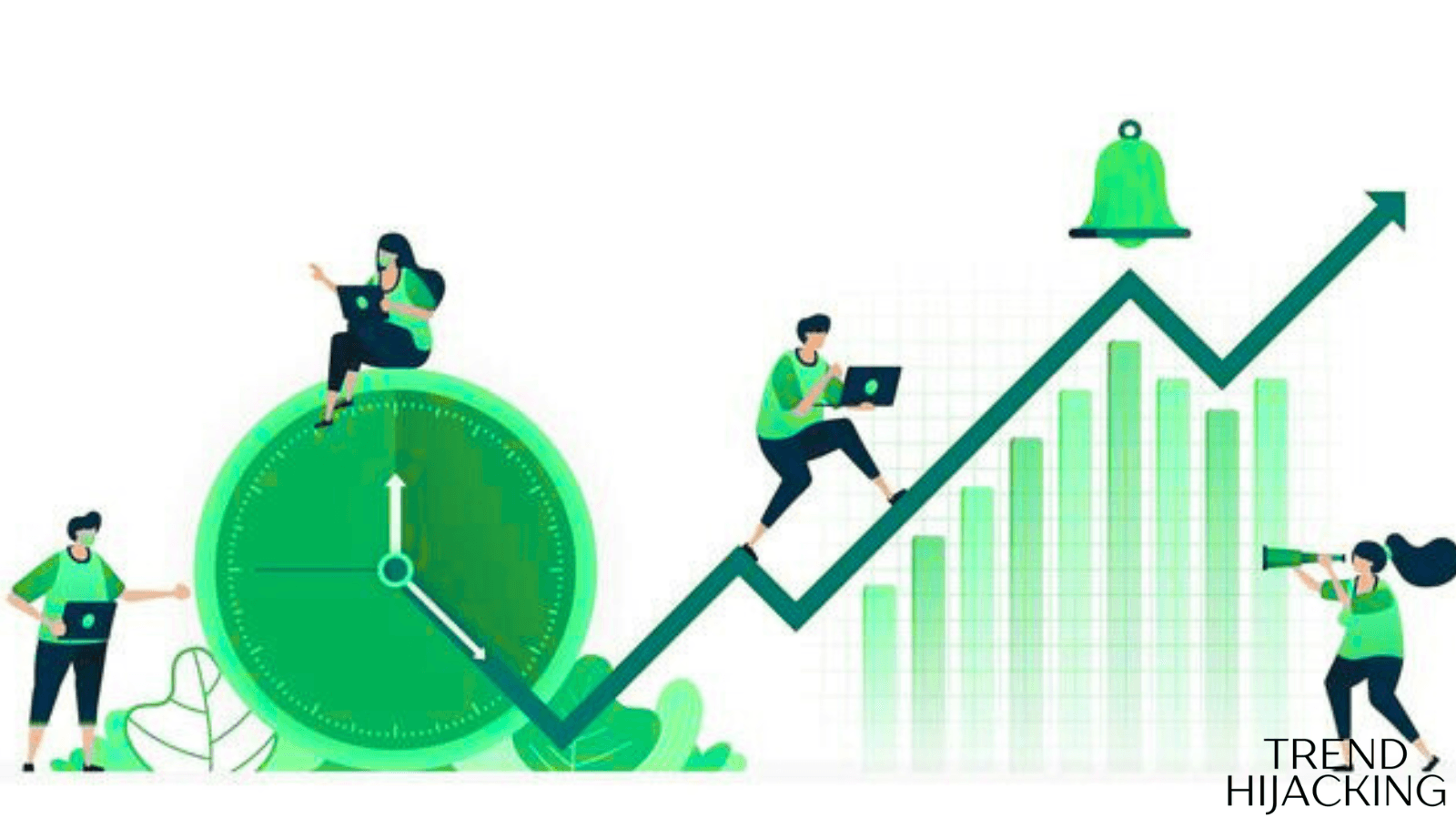
The first step in any effort to optimize a Shopify store after acquiring it is to establish a clear operational baseline. Most acquired stores present surface-level performance metrics that do not reflect underlying issues.
We begin by analyzing:
Traffic sources and their consistency over time
Conversion rate by device and geography
Revenue concentration across products
Customer acquisition cost versus contribution margin
In several acquisitions, we have found stores generating strong revenue from a single paid channel with limited organic demand. This creates fragility. If performance declines in that channel, revenue drops immediately.
Identifying this early shapes every optimization decision that follows.
At this stage, the goal is not to make changes, but to understand where the business is structurally sound and where it is exposed.

Trend Hijacking helps you Reclaim Control over your Financial Destiny
Most successful professionals and investors like you never actually own real assets that cashflow at the pace you want.
You earn well.
You invest passively.
But you never truly control something scalable.
We've created a solution: a FREE guide that shows you exactly how investors are using acquisitions to outperform stocks and real estate, all without needing any experience.
#2. Validate Products And Offers To Strengthen Demand
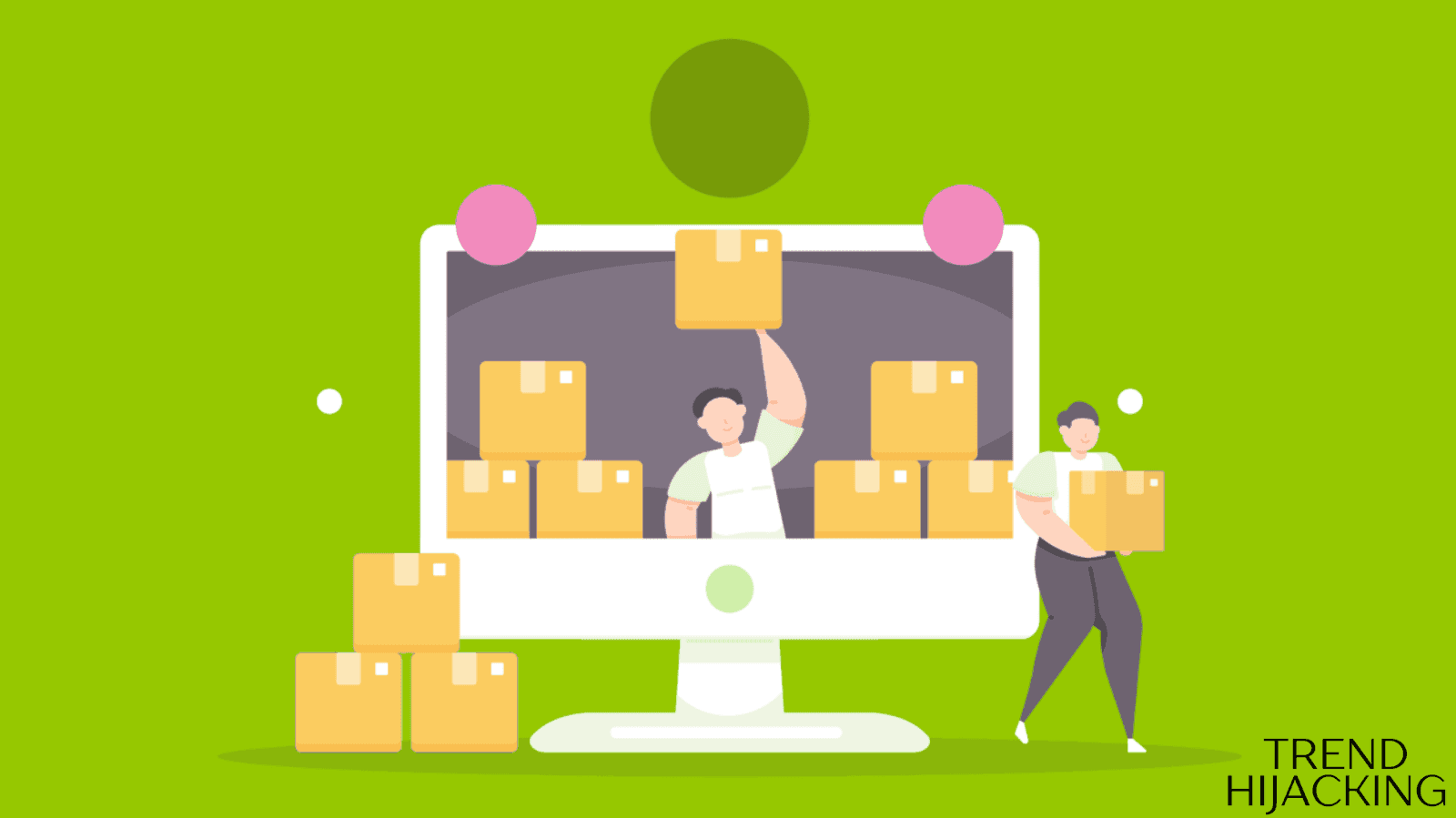
Many underperforming stores are not failing because of traffic or design issues. The problem often lies in the product or the offer itself.
After acquiring a store, we reassess:
Whether the product is still aligned with current demand signals
If pricing reflects market positioning and perceived value
How differentiated the offer is across marketplaces
We regularly cross-check product demand against search trends, marketplace velocity, and social platform activity.
In several cases, products that previously scaled through paid ads showed declining engagement on platforms like TikTok, signaling reduced organic interest.
If demand signals are weakening, optimization at the store level will have limited impact. In these cases, we shift focus toward bundling, repositioning, or introducing complementary products to stabilize revenue.
#3. Optimize Conversion Rates Across Your Shopify Store
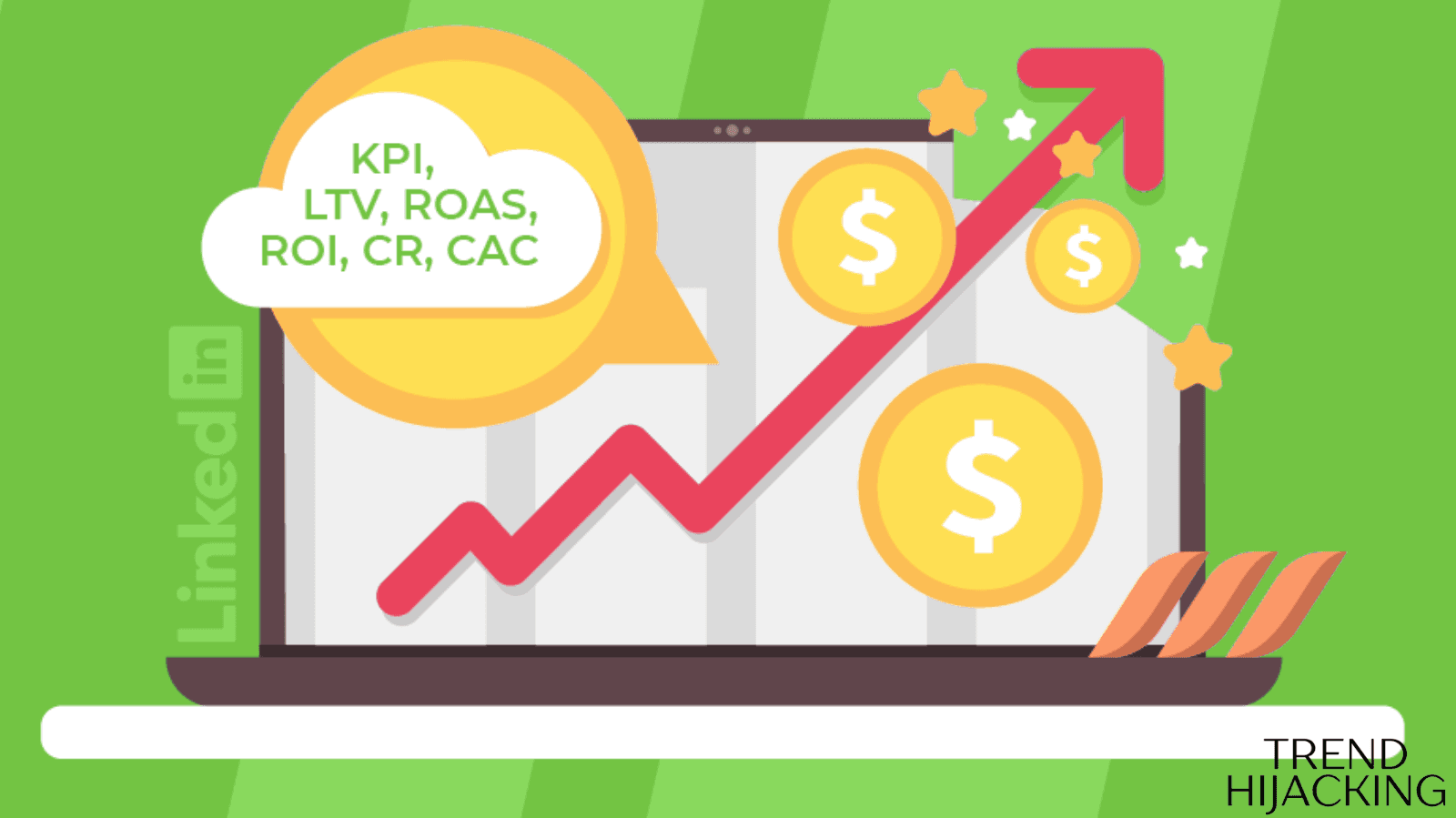
A common mistake many new owners make after acquisition is overhauling the store design too early. Conversion improvements should be guided by actual user behavior, not aesthetic preferences.
To optimize a Shopify store after acquiring it, we focus on:
Product page clarity and information hierarchy
Checkout friction points
Mobile usability, where most traffic originates
Trust elements such as reviews, guarantees, and delivery expectations
In one case, a store with strong traffic was underperforming due to unclear shipping timelines and inconsistent messaging between product pages and checkout. Fixing these issues improved conversion without increasing traffic spend.
We treat conversion rate optimization as a continuous process, not a one-time redesign.
#4. Analyze Traffic Quality And Diversify Acquisition Channels
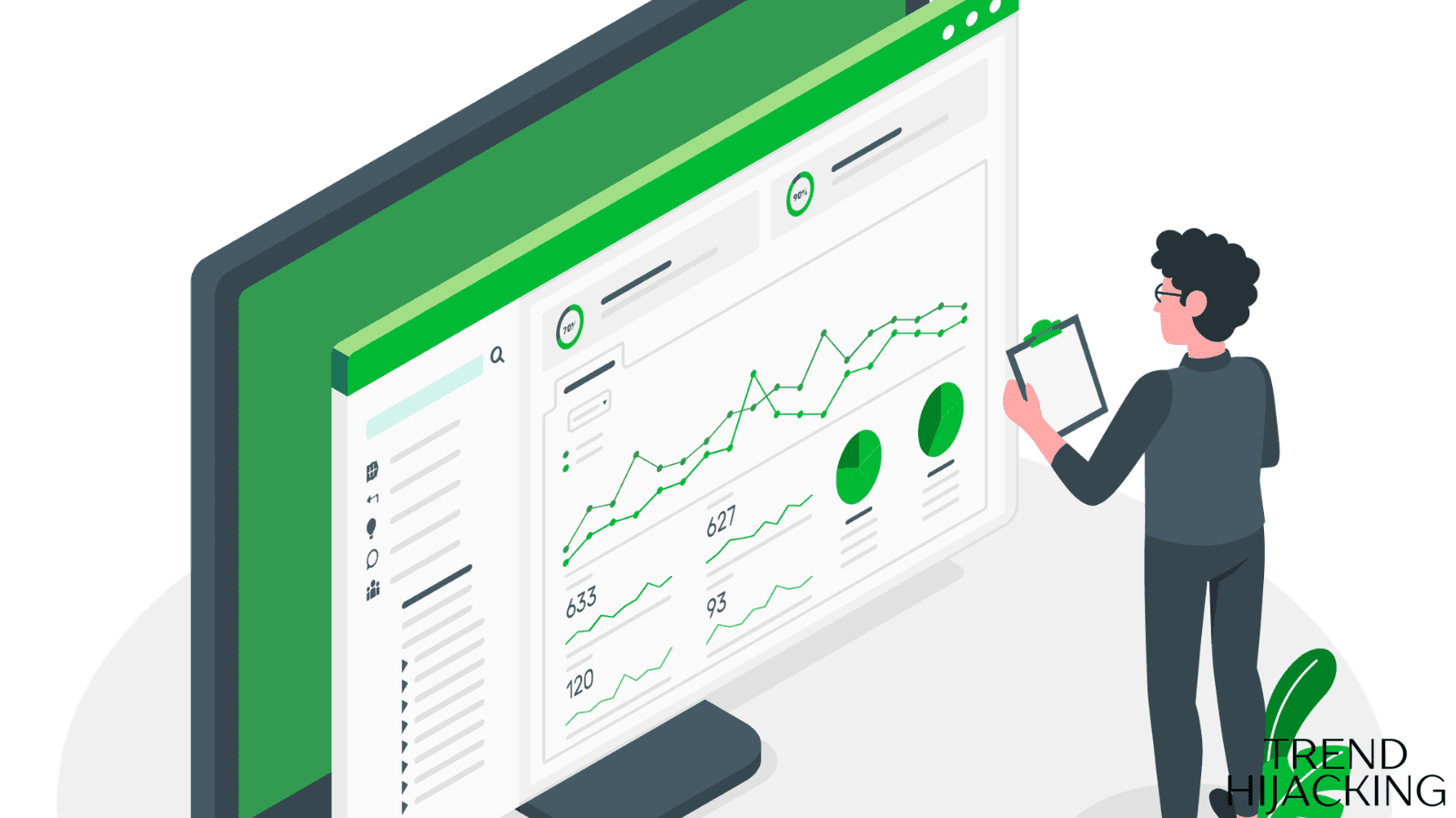
Traffic composition often shifts before acquisition, especially in businesses that relied heavily on a single growth channel.
When we optimize a Shopify store after acquiring it, we assess:
Paid versus organic traffic balance
Dependency on specific platforms such as Meta Platforms or Google
Email and SMS contribution to repeat revenue
We have seen stores where over 80 percent of revenue was driven by paid social. This is workable in the short term but limits long-term scalability due to rising acquisition costs.
Rebalancing involves:
Strengthening retention through lifecycle marketing
Expanding into search-driven traffic
Testing new acquisition channels gradually rather than aggressively
This approach reduces volatility and creates a more resilient growth profile.
#5. Improve Inventory Management and Stabilize Supply Chains
Post-acquisition growth is often constrained by supply chain limitations rather than demand.
To properly optimize a Shopify store after acquiring it, we evaluate:
Supplier reliability and lead times
Inventory turnover rates
Stockout frequency and its impact on revenue
We have encountered situations where scaling ad spend led to stockouts within weeks, forcing stores to pause campaigns and lose momentum.
This erodes both revenue and algorithm performance on ad platforms.
Stabilizing supply chains does not always mean changing suppliers.
In many cases, better forecasting and reorder planning are sufficient to support controlled growth.
Trend Hijacking helps you Reclaim Control over your Financial Destiny
Most successful professionals and investors like you never actually own real assets that cashflow at the pace you want.
You earn well.
You invest passively.
But you never truly control something scalable.
We've created a solution: a FREE guide that shows you exactly how investors are using acquisitions to outperform stocks and real estate, all without needing any experience.
#6. Increase Customer Retention and Lifetime Value
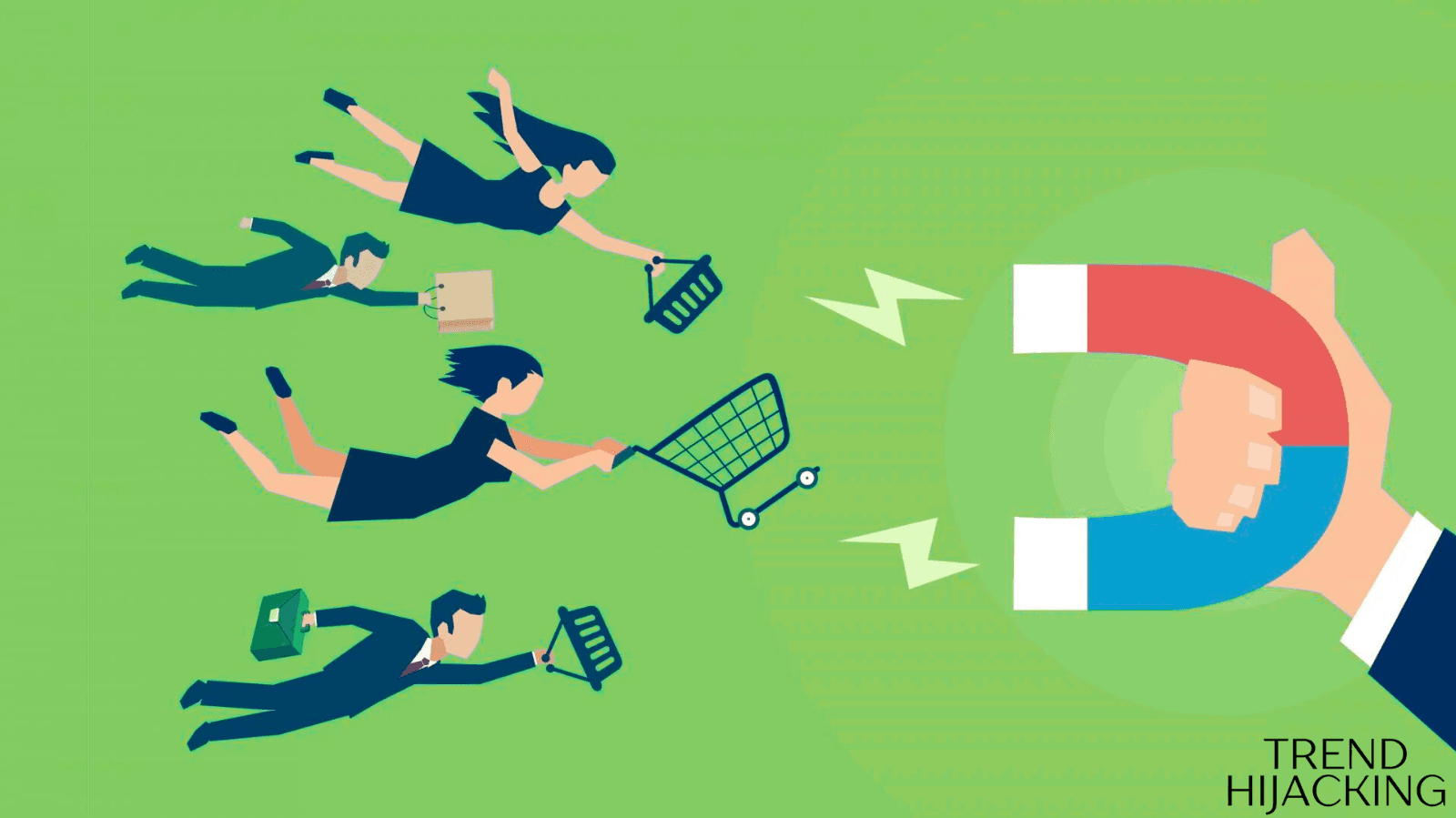
Many acquired stores are overly focused on acquisition and underdeveloped in retention.
Optimizing a Shopify store after acquiring it includes:
Building structured email flows for post-purchase engagement
Introducing repeat purchase incentives
Segmenting customers based on behavior and purchase history
We consistently find that improving retention has a more predictable impact on profitability than increasing top-of-funnel traffic. Stores that extend customer lifetime value can afford higher acquisition costs and scale more confidently.
#7. Identify Market Saturation and Assess Growth Potential
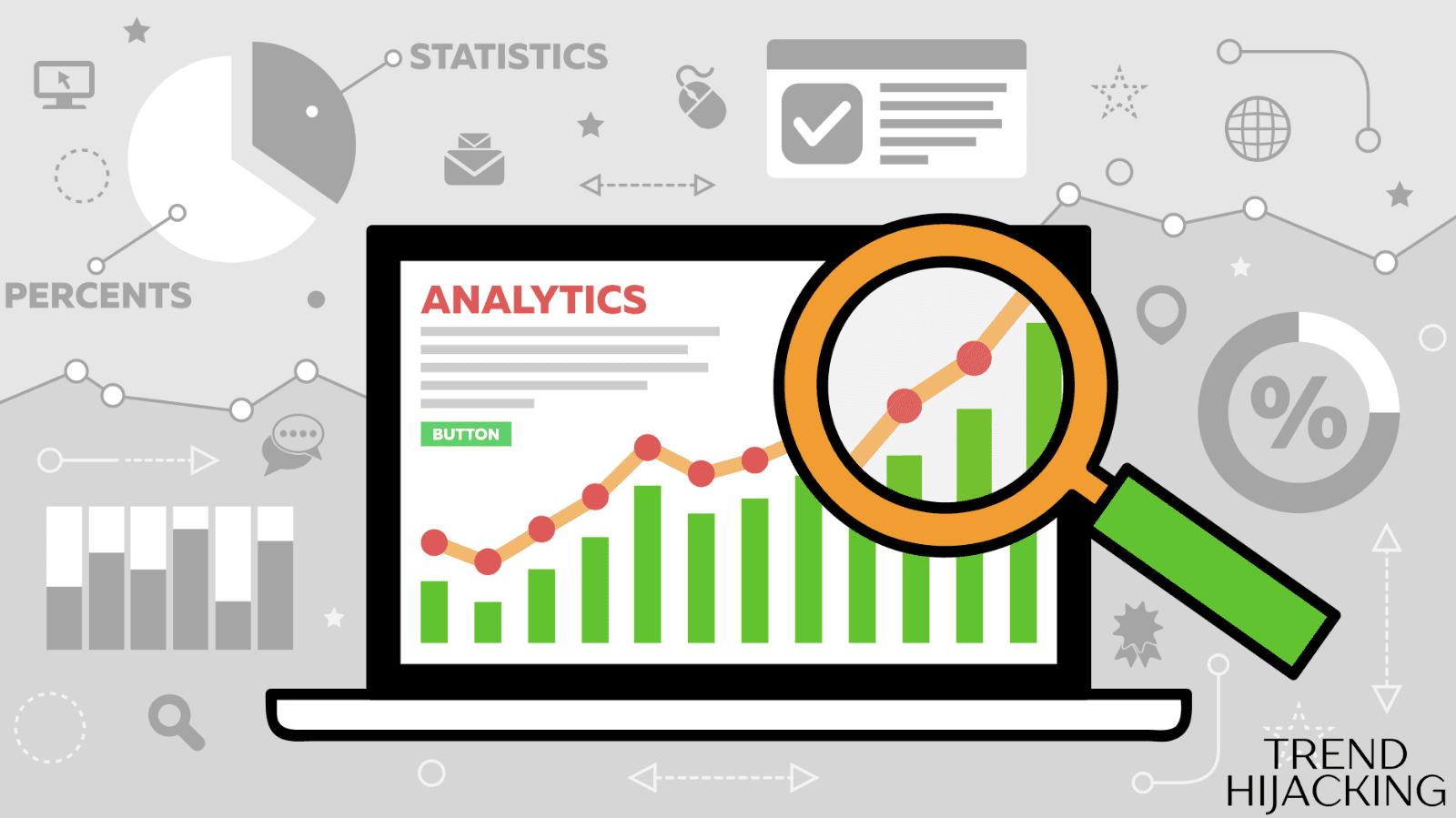
Not every store is positioned for long-term scaling. Part of post-acquisition optimization is determining whether the business is in an early growth phase, a stable phase, or approaching saturation.
We look for signals such as:
Declining engagement rates on ads
Rising acquisition costs without proportional revenue growth
Reduced repeat purchase rates
In some cases, the correct decision is not aggressive scaling but controlled operation and cash flow optimization.
Recognizing this early prevents over-investment in assets that have limited expansion potential.
#8. Build A Scalable Shopify Store for Long-Term Growth

To fully optimize a Shopify store after acquiring it, every improvement should support long-term scalability rather than short-term gains.
This includes:
Standardizing operations for repeatability
Documenting processes across marketing, fulfillment, and customer support
Creating a brand position that extends beyond a single product
We treat each store as a system, not a campaign. Growth comes from strengthening each component so that increases in traffic or demand can be absorbed without operational strain.
Final Thoughts
Optimizing a Shopify store after acquiring it comes down to getting the basics right and making steady, informed improvements. Instead of chasing quick wins, you should build a store that performs consistently across product, marketing, and operations. In our experience, the biggest gains come from spotting what is holding the business back early and fixing those issues before trying to scale. Some stores are ready to grow quickly, while others need a more measured approach. The difference becomes clear through careful testing and iteration. When done properly, optimization creates a stable foundation for long-term, reliable growth.
If you’re looking to buy a Shopify store, our Smart Acquisition program can help you find the right deals and show you how to optimize the business after purchase. And if funding is a challenge, we also offer you financing options to make acquiring and scaling the store easier. With these resources, you can easily find a store and run it successfully, so you can focus on growth.




A Done-For-You E-commerce Business
Discover how we Build, Launch, and Scale a 6-figure/month Business for You
Learn more
The 6-Step Blueprint to E-Commerce Acquisition
See how we Acquire, Convert, and Scale with Real Case Studies to Prove It.
You May Also Like


Join investors, Entreprenuers and Professionals like you building wealth through Ecommerce acquisitions, with the experts managing every step.
Start with our 14-day Free Business Acquisition Launch, where we show you exactly how we operate and give you a curated list of businesses tailored to your budget, goals, and lifestyle.