
Executive Snapshot
Purpose: Provide a concise overview of the business to enable rapid internal assessment of the acquisition opportunity.
Initial Investment Thesis
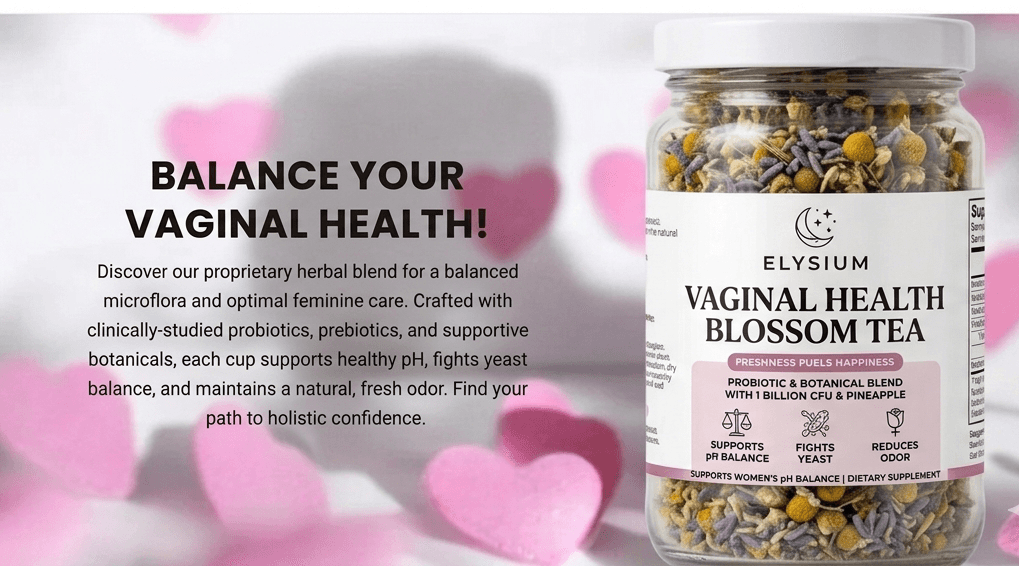
This e-commerce business operates within the rapidly growing women’s wellness supplement category, leveraging a content-driven acquisition strategy through TikTok Shop affiliates, Shopify paid ads, and Amazon distribution. The brand has demonstrated early traction with $685K+ revenue in its first year and a 65% profit margin, alongside a 363K+ customer database and subscription revenue exceeding $10K monthly, suggesting strong potential for scalable customer lifetime value if growth channels are expanded.
Initial Concern Flags
Operational concentration risk: fulfillment is currently handled manually by a family member rather than a scalable 3PL infrastructure.
Heavy reliance on paid social and creator-driven marketing, which may create volatility in acquisition costs and revenue predictability if creative performance declines.
Market & Demand Signals
Category Overview
The e-commerce store operates within the women’s intimate health and wellness supplement market, a fast-growing segment of the broader global dietary supplements and femtech wellness industry. The category focuses on products supporting vaginal pH balance, probiotics, odor control, and overall feminine hygiene—areas that have seen increasing consumer awareness and product innovation over the past decade.
Market Size & Growth Trajectory
The global women’s health supplement market is estimated to be worth tens of billions of dollars annually, with strong projected growth driven by increased consumer awareness around microbiome health, hormonal balance, and preventative wellness. The vaginal probiotic and feminine hygiene supplement category has expanded rapidly alongside broader wellness trends and the normalization of women discussing intimate health online.
Search Demand Trends
Google Trends and ecommerce search behavior indicate steady and growing interest in terms such as “vaginal probiotics,” “pH balance supplements,” and “feminine odor supplements.” Demand spikes often follow viral social media discussions or influencer recommendations, but baseline interest has remained relatively consistent over several years.
Keyword Volume Indicators
Core purchase-intent keywords (e.g., “vaginal probiotics,” “feminine health supplements,” “vaginal odor pills”) collectively generate hundreds of thousands of monthly searches globally, with the United States representing a significant portion of demand.
Seasonality vs Evergreen Demand
Demand appears largely evergreen, as the underlying consumer problems (odor, pH imbalance, infections, confidence concerns) are persistent and not tied to seasonal cycles. However, short-term spikes can occur from TikTok or influencer-driven viral content.
Problem Urgency
Moderately high urgency. Consumers often seek immediate solutions for confidence or hygiene concerns, making the category problem-driven rather than purely discretionary.
Cultural / Macro Tailwinds
Rising openness around women’s health discussions
Growth of influencer-led health product discovery
Increased adoption of probiotic and microbiome supplements
Regulatory Considerations
Supplement claims must comply with FDA and FTC advertising regulations, particularly regarding medical claims related to infections or treatment.
Trend vs Timeless
The core problem is timeless, but growth acceleration is partly driven by social media trends.
Market Attractiveness Score: Strong
Demand Durability Assessment: High long-term demand with moderate trend amplification from social commerce platforms.
Product–Market Fit Indicators
Goal: Evaluate whether the product addresses a clear consumer need for a defined and reachable market segment.
Value Proposition Clarity
The online store's core value proposition is simple and easily communicable:
“A women’s vaginal health supplement designed to support pH balance, odor control, and overall feminine wellness.”
The product addresses an intimate but common concern—vaginal hygiene, odor, and microbiome balance—making the offering highly problem-oriented. Products in this category typically rely on probiotic formulations that support healthy vaginal flora and help women maintain confidence and hygiene. Because the problem being solved is both personal and recurring, the product’s value proposition is straightforward and emotionally resonant.
Core Customer Persona
The brand primarily targets:
Women aged 18–45 who are:
Health-conscious and open to supplement usage
Active on social media platforms (especially TikTok and Instagram)
Interested in preventative wellness and feminine hygiene
Seeking discreet, non-prescription solutions for vaginal health concerns
Secondary segments may include women experiencing hormonal changes, pH imbalance, or recurring hygiene concerns who prefer natural or supplement-based solutions rather than medical treatments.
The marketing strategy—UGC creators, TikTok Shop affiliates, and influencer-driven content—aligns well with this demographic, which frequently discovers health products through social commerce.
Differentiation
Current differentiation appears to rely primarily on marketing positioning and brand angle rather than strong proprietary defensibility.
Key differentiators include:
Social-first marketing strategy leveraging TikTok creators and affiliate content
A direct-to-consumer brand identity centered on confidence and feminine wellness
Access to a 363,188+ customer database, which can be leveraged for retention and remarketing
Integration across TikTok Shop, Amazon FBA, and Shopify
However, there is no clear evidence of patented formulation, proprietary ingredients, or protected intellectual property, which means the competitive advantage is largely built on brand, marketing execution, and distribution.
Commoditization Risk
The vaginal health supplement category has moderate-to-high commoditization risk. Many products in the space share similar probiotic ingredients and positioning, making it relatively easy for new competitors to enter the market.
The brand’s ability to remain competitive will depend on:
Continued creative marketing performance
Strong customer retention and subscription growth
Community and brand trust development
Ease of Customer Adoption
Adoption barriers are low. Supplements require no medical procedure, prescription, or complex onboarding. The purchasing process is simple, especially when integrated into TikTok Shop or Amazon, where consumers can purchase immediately after viewing content.
Repeat Usage Potential
The product category has strong repeat purchase dynamics, as vaginal health supplements are typically consumed daily or monthly. This creates an opportunity for recurring revenue.
The e-commerce store already demonstrates this with $10,000+ in monthly subscription revenue, indicating early validation of repeat usage behavior.
Subscription / Refill Logic
The product fits naturally into a subscription-based replenishment model, which is common in the supplement industry. Customers often reorder every 30–60 days, depending on dosage and packaging.
This supports predictable revenue and increased customer lifetime value.
Price Positioning vs Competitors
Based on the available inventory data (retail value of $57,600 for 1,600 units, approximately $36 per unit retail price), the product appears to be positioned within the mid-to-premium supplement price tier.
This pricing aligns with other probiotic and feminine health supplements sold through DTC brands.
Premium Justification
Premium pricing in this category is typically justified through:
Perceived formulation quality
Brand trust and credibility
Influencer endorsements and testimonials
Packaging and brand positioning
For this online business, the premium is likely supported primarily by brand positioning and marketing-driven social proof rather than proprietary formulation advantages.
Product–Market Fit Summary
PMF Confidence Level: Moderate to Strong
The product clearly addresses a real and recurring consumer problem within a growing market segment, with early traction demonstrated through revenue, subscriptions, and a large customer database.
Differentiation Strength: Moderate
The brand currently differentiates through marketing strategy and social commerce execution rather than proprietary product innovation. Continued success will likely depend on maintaining creative marketing performance and strengthening brand loyalty.
Website & Conversion Infrastructure
Goal: Assess whether the store's digital infrastructure can efficiently convert traffic into revenue across its ecommerce channels.
Website Speed & UX Quality
The e-commerce business operates primarily through its Shopify-powered DTC storefront (Proyoni.com), which follows a standard modern ecommerce layout optimized for supplement sales. The site structure emphasizes a single hero product funnel, a common strategy among high-conversion supplement brands.
The homepage immediately communicates the core product benefit—vaginal health and pH balance support—paired with product imagery and benefit-driven messaging. The layout uses typical direct-response components such as:
Benefit callouts
Ingredient highlights
Customer testimonials
Product comparison sections
Purchase CTAs positioned throughout the page
Navigation complexity is minimal, which is intentional for a single-product or limited-SKU brand, reducing decision fatigue and guiding users toward purchase.
Page performance appears generally acceptable for a Shopify store with media-heavy product pages. However, like many DTC supplement sites, video and image assets may slightly impact load speed on slower mobile connections.
Mobile Optimization
Mobile optimization appears to be a core design priority, which aligns with the brand’s acquisition strategy through TikTok and social media traffic.
Key mobile strengths include:
Large purchase buttons and simplified navigation
Mobile-first product page layout
Vertical content sections suited to scrolling behavior
Integration with social proof elements and review snippets
Given that most TikTok Shop and social ad traffic originates from mobile devices, this alignment is essential for maintaining conversion performance.
Visual Credibility & Brand Consistency
The brand maintains a consistent feminine wellness aesthetic across its website, Amazon listing, and social content.
Visual elements include:
Soft color palettes associated with feminine wellness brands
Lifestyle imagery targeting female audiences
Clear product photography and packaging presentation
Consistent typography and branding across pages
The visual identity is comparable to other successful DTC supplement brands targeting the women’s health niche. However, the branding appears relatively early-stage rather than highly polished, which suggests room for refinement in design sophistication and storytelling.
SKU Count & Catalog Structure
The store currently appears to operate as a single-product or extremely limited-SKU brand, centered around its vaginal health probiotic supplement.
This structure simplifies the purchasing journey but also creates revenue concentration risk. Many successful supplement brands expand into adjacent products over time, such as:
Additional probiotic formulations
Feminine hygiene products
Hormonal balance supplements
Complementary wellness products
At the current stage, the brand functions primarily as a hero-product funnel.
Average Order Value (AOV)
Based on available inventory and retail information:
1,600 units retail value: $57,600
Approximate retail price per unit: ~$36
Given common supplement bundling strategies, estimated AOV likely ranges between $35–$60, depending on whether customers purchase single bottles or bundle packs.
There is potential to increase AOV through stronger bundling and subscription incentives.
Estimated Conversion Rate
Exact conversion data is not publicly available. However, based on the brand’s reported $685k+ total revenue within its first year and traffic likely generated through paid ads and TikTok creators, the site likely operates within the industry-average DTC supplement conversion range of approximately 2–4%.
Conversion efficiency is likely influenced heavily by UGC-driven traffic from TikTok Shop and social advertising, where purchase intent can be high.
Upsell/Cross-Sell Structure
Current upsell structures appear limited due to the single-product nature of the catalog. However, supplement brands often implement:
Multi-bottle discounts
Subscription incentives
Post-purchase upsells
There is clear opportunity to expand this area.
Bundling Logic
Basic supplement bundling logic likely includes:
Single bottle purchase
Multi-bottle bundle discounts (e.g., 2-pack or 3-pack)
Bundles typically improve both AOV and conversion rate by framing the purchase as a value-driven decision rather than a single-item purchase.
Given the consumable nature of the product, bundles should ideally align with 30–90 day usage cycles.
Trust Signals
This e-commerce business demonstrates several trust-building mechanisms across platforms:
Customer Reviews
Dedicated review page on the website
Social proof through testimonials
Marketplace Presence
Amazon product listing
TikTok Shop integration
User Generated Content
TikTok creator videos promoting the product
Influencer-style product demonstrations
Customer Base
Reported 363,188+ customer list, which indicates significant audience reach.
However, supplement brands often strengthen trust further through:
Clinical ingredient explanations
Third-party testing certifications
GMP manufacturing transparency
The visibility of these elements appears limited from publicly accessible pages.
Technical Issues Visible Publicly
No major technical failures appear evident from publicly accessible pages. However, potential improvement areas include:
Enhanced product education sections
More structured ingredient transparency
Expanded FAQ and scientific backing
These improvements often increase conversion rates for health supplements.
Checkout Flow Friction
The Shopify checkout experience is generally optimized and widely trusted. Key strengths include:
Familiar payment interface
Support for major payment providers
One-page checkout structure
Friction levels appear relatively low.
However, checkout conversion could potentially improve with:
Stronger urgency triggers
Limited-time offers
Subscription-first purchase framing
Conversion Infrastructure Summary
Conversion Infrastructure Rating: Moderate to Strong
The brand benefits from a simple product funnel, strong social commerce alignment, and trust signals through marketplace presence and UGC content. The infrastructure is sufficient to support growth but remains relatively early-stage compared to mature supplement brands.
Quick-Win Optimization Opportunities
Increase AOV through structured bundles
3-bottle and 6-bottle bundles
Subscription-first pricing
Strengthen scientific credibility
Ingredient transparency
Lab testing certifications
Clinical references
Expand trust signals
Verified purchase reviews
Before/after testimonials
Doctor or expert endorsements
Improve product education
Microbiome education content
“How it works” sections
Problem-solution storytelling
Post-purchase monetization
Upsells for multi-month supply
Loyalty or refill incentives
If executed correctly, these improvements could significantly increase conversion rate, AOV, and customer lifetime value without requiring additional traffic acquisition.
Traffic & Distribution Footprint
Goal: Determine where customer demand originates and assess the stability and diversification of the e-commerce store's customer acquisition channels.
Estimated Traffic Volume
Precise traffic figures are not publicly available, but several indicators allow a reasonable estimate of demand flow:
$685,000+ total revenue in the first year
Active TikTok Shop product listing
Amazon marketplace presence
Dedicated Shopify storefront
363,188+ customer email list
For a single-product supplement brand generating ~$685k annually, estimated website and marketplace traffic could reasonably fall within the range of 150,000–400,000 annual visitors, depending on conversion efficiency and traffic composition.
A large portion of traffic likely originates from social commerce and paid advertising rather than organic search, which is typical for fast-growing TikTok-driven brands.
Primary Channels
The e-commerce business currently operates across three primary acquisition and distribution ecosystems:
TikTok Shop (Affiliate Ecosystem)
TikTok Shop appears to be the most strategically emphasized channel in the brand’s growth strategy.
The seller specifically highlights:
Sending product samples to creators
Recruiting affiliate marketers
Encouraging organic-looking UGC content
Running GMV Max ads
TikTok Shop enables creators to promote products directly within the platform while earning commissions on sales. This model creates a distributed creator-driven marketing engine, which can generate high-volume viral exposure.
Benefits of TikTok Shop:
Native commerce experience
High engagement from short-form content
Fast feedback loop on creatives
Viral potential for product discovery
However, TikTok Shop performance often depends heavily on constant creator engagement and creative refresh cycles, which can introduce volatility.
Amazon Marketplace (FBA)
The e-commerce business maintains an Amazon listing for its vaginal probiotic supplement, which introduces an additional high-intent distribution channel.
Advantages of Amazon presence include:
Access to high purchase-intent customers
Amazon’s built-in trust and fulfillment infrastructure
Reduced friction for consumers familiar with Prime delivery
The seller confirms that Amazon fulfillment is handled through FBA, meaning logistics are managed by Amazon once inventory reaches its warehouses.
However, Amazon success often depends on:
Listing optimization
Competitive pricing
Review accumulation
Inventory availability
Given that Amazon requires consistent stock levels, maintaining supply chain reliability will remain important.
Shopify Direct-to-Consumer Store
The brand also operates a Shopify-powered direct-to-consumer website (Proyoni.com).
The Shopify store appears to serve as the primary destination for:
Paid advertising traffic
Subscription purchases
Direct brand storytelling
Customer retention and remarketing
Paid advertising management reportedly includes:
Testing new creatives
Running Meta advertising campaigns
Using high-performing TikTok content for cross-platform ads
This paid social → Shopify funnel is a widely used acquisition strategy among DTC supplement brands.
Channel Concentration Risk
While the brand operates across multiple channels, customer acquisition appears highly concentrated in social media-driven discovery, particularly TikTok.
Key risk considerations include:
TikTok algorithm changes
Declining creator engagement
Increased paid advertising costs
Platform policy changes affecting supplement promotion
Because creator content drives product discovery, the business relies heavily on consistent creative production and influencer relationships.
However, the presence of Amazon and Shopify channels partially offsets this concentration risk by providing additional sales entry points.
Platform Dependency Risk
The online business model demonstrates moderate platform dependency, particularly across the following ecosystems:
TikTok
Strengths:
Major growth engine
Affiliate-driven sales
Viral discovery potential
Risks:
Algorithm volatility
Platform policy shifts
Dependence on creator performance
Meta (Facebook / Instagram Ads)
Meta advertising appears to be used to scale winning creatives originally tested on TikTok.
This cross-platform strategy can improve efficiency, but Meta ad performance can fluctuate based on:
Rising CPMs
Creative fatigue
Audience saturation
Amazon
Amazon provides a stable, high-intent marketplace, but introduces its own risks:
Marketplace competition
Fee structure changes
Listing suppression risks
Overall, the brand operates within the modern social commerce stack commonly used by emerging ecommerce brands.
International vs Local Reach
The business primarily targets the United States market, with inventory shipped from China and fulfilled domestically.
Evidence supporting a U.S.-focused strategy includes:
U.S. Amazon listing
Inventory located in Minnesota
U.S.-based TikTok Shop operations
While the brand could potentially expand internationally, its current operational footprint appears primarily domestic.
SEO Footprint Strength
The Shopify store's SEO presence appears relatively limited, which is common for early-stage brands focused on paid social acquisition.
Indicators include:
A product-focused Shopify site with limited content pages
Minimal educational blog content visible publicly
Limited evidence of organic keyword authority
Most supplement brands that achieve strong SEO presence typically invest in:
Long-form health education content
Ingredient breakdown pages
Medical research summaries
Authority-building backlinks
At present, the store appears to rely more heavily on social traffic than search traffic.
Marketplace Presence
This e-commerce business maintains presence on several ecommerce marketplaces:
Amazon
Primary marketplace channel
FBA fulfillment
TikTok Shop
Social commerce marketplace
Affiliate creator promotion
eBay listing
Secondary distribution channel
Likely smaller contribution to overall revenue
Marketplace diversification increases discoverability and customer acquisition opportunities.
Direct vs Intermediary Sales Ratio
Precise breakdown data is not available, but based on available information, sales likely originate from:
TikTok Shop
Shopify (DTC)
Amazon marketplace
A reasonable assumption for early-stage TikTok-driven brands is:
TikTok + paid social traffic → significant portion of sales
Amazon → secondary but stable sales channel
Shopify → central conversion hub
This suggests a hybrid distribution model combining direct sales and marketplace transactions.
Traffic Strategy Summary
The store's traffic strategy reflects a modern creator-led ecommerce growth model, where:
Creators generate content
Content drives discovery on TikTok
Winning creatives scale through paid advertising
Customers purchase via Shopify, TikTok Shop, or Amazon
This strategy can scale rapidly when creative performance is strong.
However, it also requires continuous content production and marketing experimentation.
Traffic & Distribution Assessment
Traffic Fragility Score: Moderate
The business relies heavily on social-driven traffic and creator marketing, which can fluctuate depending on platform algorithms and creative performance. However, the presence of multiple channels (TikTok, Shopify, Amazon) reduces single-platform risk.
Channel Diversification Strength: Moderate to Strong
The brand operates across three major ecommerce ecosystems, providing a diversified distribution footprint. Continued investment in SEO, email marketing, and additional marketplaces could further strengthen long-term acquisition stability.
Marketing & Customer Acquisition
Goal: Evaluate whether the ecommerce brand's growth is driven by a structured marketing system or primarily opportunistic channels.
Paid Advertising Presence
The e-commerce business utilizes paid social advertising as a core acquisition strategy, particularly through Meta (Facebook/Instagram) and TikTok advertising ecosystems.
The seller indicates that paid ads are run primarily through the Shopify storefront, where creatives are continuously tested and optimized. A key element of the strategy is the repurposing of successful TikTok creator videos into Meta advertising campaigns.
This cross-platform creative strategy is commonly used by high-growth direct-to-consumer supplement brands because:
TikTok acts as a creative testing platform
High-performing content is then scaled through Meta paid traffic
Additionally, TikTok Shop’s GMV Max ad format allows creators’ videos to be promoted algorithmically within TikTok’s shopping ecosystem.
This indicates that paid acquisition is not purely experimental but follows a structured creative testing model.
Creative Sophistication
The creative approach is primarily UGC-driven (User Generated Content).
Examples include:
Creator testimonials
Lifestyle product demonstrations
Native-looking TikTok videos explaining product benefits
UGC-style advertising performs particularly well in the supplement category because it:
Feels authentic and relatable
Mimics organic social content
Reduces ad fatigue
The seller specifically highlights “average-looking everyday content” as a high-performing format, which aligns with modern TikTok ad strategies.
However, the creative strategy appears performance-focused rather than brand storytelling-driven, suggesting the brand is still operating in a direct-response growth phase rather than a mature brand-building stage.
Funnel Depth
The marketing funnel appears relatively shallow but effective.
Typical customer flow likely follows this structure:
Creator posts video on TikTok
Consumer discovers product via social content
Click-through to TikTok Shop or Shopify product page
Immediate purchase
Unlike more mature DTC brands, there is limited evidence of advanced funnel layers such as:
Lead magnets
Educational email funnels
Long-form content marketing
Community-building programs
However, this is typical for TikTok-native ecommerce brands, where impulse purchase behavior often dominates.
Email List Size
One of the most notable marketing assets disclosed is the 363,188+ customer list included in the sale.
This represents a significant marketing advantage because email lists enable:
Retention campaigns
Subscription upsells
Product launch announcements
Customer reactivation
If properly segmented and activated, a list of this size could generate meaningful recurring revenue through email marketing alone.
Organic Social Engagement
The ecommerce store appears to rely primarily on creator-generated content rather than brand-owned organic social channels.
This approach is common in TikTok Shop ecosystems where:
Independent creators produce promotional videos
Affiliates earn commissions from product sales
While this allows rapid content generation, it also means the brand itself may have limited direct control over organic engagement.
UGC Density
UGC density appears very high, which is a positive indicator for social-commerce brands.
UGC is generated through:
TikTok Shop affiliates
Influencer-style product reviews
Social media testimonials
High UGC density benefits marketing because it:
Provides continuous creative supply
Reduces advertising production costs
Improves ad performance authenticity
The seller explicitly describes TikTok Shop as the “content engine” of the business.
Influencer Presence
The brand’s marketing relies heavily on micro-influencers and creator affiliates rather than traditional celebrity influencers.
This model has several advantages:
Lower content production costs
Higher perceived authenticity
Rapid testing of multiple creators simultaneously
The seller also suggests hiring top-performing creators on retainer, which indicates awareness of influencer scalability strategies.
Customer Acquisition Cost (CAC)
Precise CAC figures are not disclosed.
However, several indicators suggest that CAC may currently be manageable:
High profit margin (reported 65%)
Ability to generate revenue through creator affiliates
TikTok-native traffic sources
Affiliate-driven sales models often reduce upfront CAC risk because creators are paid based on performance commissions rather than fixed advertising spend.
Scalability Signals
Several signals suggest the business has strong scaling potential:
Multi-channel distribution
TikTok Shop
Shopify DTC
Amazon marketplace
Large customer database
363k+ customer contacts
High-margin product category
Supplements often support aggressive ad spend
UGC-driven content model
Creators continuously generate new marketing assets
The seller also highlights that scaling could occur through:
Increasing creator partnerships
Expanding paid advertising using winning creatives
Launching additional product SKUs
LTV Indicators
Several elements suggest strong potential customer lifetime value (LTV):
Consumable supplement product
Subscription model generating $10,000+ monthly recurring revenue
Large existing customer database
If retention strategies are implemented effectively, LTV could significantly exceed initial acquisition costs.
Marketing Assessment
Marketing Maturity Level: Moderate
The online business demonstrates a modern, creator-driven acquisition strategy that aligns well with current social commerce trends. However, the marketing infrastructure remains relatively early-stage, particularly in areas such as lifecycle marketing, brand storytelling, and funnel sophistication.
Scalability Assessment: Strong
The marketing model has clear scalability potential due to:
UGC-driven creative production
Affiliate marketing through TikTok Shop
Cross-platform advertising opportunities
A large existing customer list
With improved retention systems, creator management, and paid ad optimization, the brand could significantly expand its revenue footprint.
Monetization & Unit Economics (Surface-Level)
Goal: Assess whether the financial structure of the business appears economically viable based on available pricing, margins, and monetization strategy.
Pricing Strategy
The store's pricing appears to follow the standard direct-to-consumer supplement pricing model, which positions the product in a mid-to-premium price tier.
Based on disclosed inventory valuation:
1,600 units retail value: $57,600
Approximate retail price per unit: ~$36
This pricing aligns closely with other vaginal probiotic supplements sold through ecommerce channels, where typical retail prices range between $30 and $50 per bottle depending on brand positioning, ingredient claims, and packaging.
The pricing level is appropriate for the category and allows sufficient margin to support paid advertising, creator commissions, and marketplace fees.
Average Order Value (AOV)
While exact AOV data is not disclosed, reasonable estimates can be derived.
If the standard product price is approximately $36 per unit, estimated order patterns likely include:
Single bottle purchase: ~$36
Multi-bottle bundles: $70–$100+
Based on common supplement ecommerce practices, the estimated AOV likely falls between $40 and $70, depending on bundle adoption and subscription enrollment.
Increasing AOV through structured bundles could significantly improve marketing efficiency.
Product Price Bands
The product sits within the mid-range supplement price band, which typically includes:
Tier | Price Range | Typical Positioning |
Budget | $15–$25 | Commodity supplements |
Mid-tier | $30–$40 | Most DTC supplement brands |
Premium | $45–$70 | Clinical or luxury formulations |
This Shopify store for sale appears positioned in the mid-tier segment, making it competitive while still maintaining margin flexibility.
Implied Gross Margin
The seller reports a 65% profit margin, which suggests strong unit economics.
Additionally, inventory information indicates:
Cost of inventory: ~$6,500
Retail value: ~$57,600
This implies a very low cost per unit (~$4) relative to retail price.
Even after accounting for:
Shipping
Marketing expenses
Platform fees
Affiliate commissions
The product likely retains healthy gross margins typical of supplement brands (70–85% gross margin range).
High margins are common in supplement ecommerce due to:
Low manufacturing costs
High perceived value
Strong branding influence on pricing
Bundles & Upsell Logic
Based on publicly visible store structures, the brand appears to rely primarily on single-product purchases and basic bundle offers.
Common supplement bundle strategies typically include:
2-bottle discount bundles
3-bottle “best value” bundles
90-day supply packages
While some bundling likely exists, the current monetization structure appears relatively simple rather than highly optimized.
Advanced upsell strategies often include:
Post-purchase upsells
Subscription-first checkout flows
Limited-time bundle offers
These strategies could significantly improve both AOV and customer lifetime value.
Return & Refund Signals
Public reviews across platforms such as:
Amazon
Trustpilot
Shopify review pages
suggest that customer feedback exists but does not currently indicate unusually high refund or dissatisfaction signals.
However, the supplement category often experiences mixed results across customers, as individual biological responses to probiotic supplements vary.
Key factors influencing refund rates in this category include:
Perceived effectiveness
Delivery time
Packaging and trust signals
Customer expectations regarding results
Overall, there is no major evidence of structural refund risk based on available public signals.
Subscription Logic
One of the strongest monetization indicators is the presence of subscription revenue exceeding $10,000 per month.
Subscription models are particularly effective for supplement products because:
The product must be consumed regularly
Customers often reorder monthly
Habit formation increases retention
Typical supplement subscription cycles range between:
30-day supply
60-day supply
90-day supply
Even a modest subscription base can significantly improve financial stability because recurring revenue reduces reliance on new customer acquisition.
Margin Expansion Potential
Several opportunities exist to expand margins further:
1. AOV Optimization
Introducing stronger bundle incentives could increase order size.
2. Subscription Adoption
Encouraging subscription-first purchases can improve LTV while reducing marketing pressure.
3. Supply Chain Optimization
Moving from manual fulfillment to 3PL logistics could reduce operational friction while maintaining margins.
4. Product Line Expansion
Launching complementary products could increase basket size and cross-sell revenue.
Examples could include:
Feminine hygiene supplements
Gut health probiotics
Hormonal wellness supplements
Unit Economics Assessment
Economic Health Estimate: Strong
The available financial indicators suggest that the business benefits from healthy supplement industry margins, reasonable pricing, and early subscription revenue. The product’s manufacturing cost relative to retail price provides sufficient room for marketing spend while maintaining profitability.
Monetization Sophistication: Moderate
The business demonstrates solid foundational monetization through product pricing and subscriptions. However, monetization strategies such as advanced bundling, post-purchase upsells, and lifecycle marketing appear underdeveloped, leaving room for meaningful optimization and revenue expansion.
Brand Strength & Perception
Brand Consistency
This e-commerce store maintains moderate brand consistency across its digital assets:
Shopify website
Amazon listing
TikTok Shop presence
Product packaging
The aesthetic aligns with typical feminine wellness brands, using soft colors, clean supplement-style packaging, and benefit-focused messaging. The branding is coherent but still appears early-stage rather than fully developed into a lifestyle brand.
Emotional Positioning
The brand positioning sits between:
Functional: solving vaginal pH imbalance and odor concerns
Confidence-driven emotional appeal: promoting feminine wellness and personal confidence
This emotional framing is effective in the category, as customers often purchase these products for confidence, hygiene reassurance, and preventative wellness.
Storytelling Depth
Brand storytelling appears relatively light. The founder narrative exists but is not heavily integrated into the brand identity. Most messaging focuses on product benefits rather than brand mission.
Founder Visibility
The founder is not prominently positioned as the face of the brand. This reduces founder-dependency risk but also limits authentic brand storytelling opportunities.
Review Quality & Sentiment
Reviews are visible across several platforms:
Shopify reviews page
Amazon product listing
Trustpilot
TikTok creator testimonials
General sentiment appears moderately positive, with typical supplement-category variability in effectiveness claims.
Trust Signals
Existing trust signals include:
Marketplace presence (Amazon)
Creator endorsements
Customer reviews
However, the brand could strengthen trust through:
Clinical ingredient explanations
Third-party lab testing
Medical expert endorsements
Community Presence
There is limited evidence of a brand-owned community, such as forums, newsletters, or social groups.
The brand relies more on creator ecosystems than direct community engagement.
Brand Defensibility
Brand defensibility appears moderate-to-low, as differentiation is primarily marketing-driven.
Output
Brand Asset Strength: Moderate
Reputation Risk Flags:
Limited clinical credibility signals
Early-stage brand equity
Competitive Landscape
The vaginal probiotic and feminine supplement category is highly competitive.
Visible Competitors
Major competitors include:
Love Wellness
URO Vaginal Probiotics
Happy V
HUM Nutrition
O Positiv
Many of these brands have:
Larger marketing budgets
Retail distribution
Strong influencer partnerships
Pricing Tiers
Typical price bands:
Budget: $20–$25
Mid-tier: $30–$40
Premium: $45–$70
This e-commerce business sits in the mid-tier segment (~$36).
Differentiation Gaps
Most competitors differentiate through:
Clinical research
Influencer partnerships
Retail distribution
Brand storytelling
The store currently differentiates primarily through TikTok creator-driven marketing.
Switching Cost
Switching cost is very low. Consumers can easily try different probiotic brands.
Barriers to Entry
Barriers are relatively low because:
Supplement manufacturing is widely available
Private labeling is common
Marketing is the main competitive factor
Output
Competitive Intensity Rating: High
Positioning Gap Opportunities
Medical credibility positioning
Lifestyle wellness brand positioning
Multi-product ecosystem expansion
Operational Complexity
SKU Complexity
Currently appears to be single-SKU focused, reducing operational complexity.
Supply Chain Dependence
Inventory is sourced from China, with fulfillment handled manually from Minnesota.
This introduces supplier concentration risk.
Regulatory Exposure
Supplements fall under FDA dietary supplement regulations, meaning:
Claims must be carefully managed
Compliance risk exists for marketing claims
Fulfillment Intensity
Fulfillment is currently manual and small-scale, which could become a bottleneck during growth.
Returns Burden
Supplement returns are typically moderate due to subjective effectiveness.
Inventory Sensitivity
Supplement brands often require consistent inventory restocking to avoid lost marketplace rankings.
Output
Operational Risk Score: Moderate
Scalability Friction Points
Manual fulfillment
Single supplier dependency
Inventory management
Risk & Fragility Signals
Hero SKU Dependency
The brand appears 100% dependent on a single product.
Channel Dependency
Heavy reliance on TikTok creators and paid social advertising.
Platform Policy Risk
Supplement marketing can face:
TikTok advertising restrictions
Meta ad compliance issues
Amazon listing policy changes
Trend Exposure
Partially trend-driven due to TikTok discovery dynamics.
Output
Fragility Index: Moderate–High
Top 3 Structural Risks
Single product dependency
TikTok-driven traffic volatility
Low brand moat
Growth Levers (Externally Visible)
Several expansion opportunities exist.
Product Line Expansion
Potential adjacent SKUs:
Gut health probiotics
Hormone balance supplements
Feminine hygiene products
Geographic Expansion
The brand currently focuses on U.S. customers, leaving potential for international growth.
Retail & Wholesale
Entering:
Wellness stores
Pharmacies
Beauty retailers
could expand distribution.
Subscription Optimization
Increasing subscription penetration could significantly increase predictable revenue.
Content Expansion
Educational content around microbiome health and women’s wellness could drive organic traffic.
Output
Growth Hypotheses
Launch a multi-product feminine wellness ecosystem
Scale creator partnerships across TikTok and Instagram
Build SEO-driven educational content
Introduce stronger bundle offers
Expand into Amazon international marketplaces
Founder & Operator Signals
Founder Visibility
The founder remains relatively behind the brand rather than acting as a public figure.
Execution Velocity
The brand achieved $685k+ revenue within one year, indicating strong early execution.
Marketing vs Product Operator
The founder appears primarily marketing-driven, focusing on distribution channels and creators.
Systems Evidence
Limited evidence of formal team structure beyond family fulfillment support.
Output
Operator Dependency Risk: Moderate
The business appears somewhat dependent on marketing execution rather than systems automation.
Exit & Optionality Signals
Strategic Buyer Appeal
Potential buyers include:
Supplement aggregators
Wellness brand groups
Ecommerce roll-ups
Roll-Up Compatibility
The brand could integrate into multi-brand supplement portfolios.
Brand vs Cashflow Asset
Currently behaves more like a cash-flow ecommerce product than a deep brand asset.
Multiple Expansion Potential
Increasing brand equity and SKU expansion could increase valuation multiples.
Output
Exit Attractiveness Score: Moderate
“Unfair Advantage” Check
Currently, the brand’s primary advantages appear to be:
Existing customer database (363k contacts)
Early traction on TikTok Shop
Established Amazon listing
However, most of these advantages are replicable within 12–24 months by competitors.
No clear evidence exists of:
Proprietary formulation
Patented technology
Exclusive distribution
Financial Snapshot (Preliminary)
Revenue: $685k+ revenue within ~1 year
Profit: $17,528 monthly profit
Margin: 65% profit margin
These numbers are strong for a young supplement brand.
Multiple
Listing multiples:
0.2x revenue
0.3x profit
These multiples are unusually low, potentially indicating:
High risk perception
Seller motivation to exit quickly
Incomplete financial disclosures
Key Unknowns to Validate in Seller Call
Critical questions include:
Monthly revenue breakdown for the past 12 months
Exact gross margin after advertising
Blended CAC and ROAS across platforms
Customer lifetime value (LTV)
Refund and chargeback rates
Supplier agreements and exclusivity
Manufacturing certifications (GMP / FDA compliance)
TikTok affiliate commission structure
Amazon revenue percentage vs Shopify
Real reason for selling
Preliminary Verdict
Opportunity Level: Moderate–High
The brand demonstrates early traction, strong margins, and social commerce growth potential.
However, its limited defensibility and platform dependency introduce meaningful risk.
Risk Level: Moderate–High
Investment Profile
Most likely fits into:
Brand build play
Ecommerce scaling opportunity
Roll-up candidate for supplement portfolio
It is less suited as a pure passive cash-flow asset due to its reliance on continuous marketing execution.